
前書き / Foreword
日本語版 薩摩切子は、日本が誇る伝統工芸品の中でも特別な輝きを放つガラス工芸です。その繊細なカット技術と鮮やかな色彩は、見る者を魅了してやみません。本ブログでは、薩摩切子の誕生から一度途絶えた歴史、そして現代における復活までの壮大な物語を、20の章に分けて詳しく紐解いていきます。伝統技術の継承者たちの情熱と、薩摩切子が持つ美的価値を、ぜひ感じ取っていただければ幸いです。
English Version Satsuma Kiriko stands as one of Japan’s most radiant traditional crafts among its many artistic treasures. Its delicate cutting techniques and vivid colors captivate all who behold it. In this blog, we will explore the magnificent saga of Satsuma Kiriko through 20 chapters—from its birth, through its period of lost tradition, to its modern-day revival. We hope you will feel the passion of the artisans who preserve this craft and appreciate the aesthetic value that Satsuma Kiriko embodies.
第1章:薩摩切子とは何か
Chapter 1: What is Satsuma Kiriko?
日本語 薩摩切子は、鹿児島県(旧薩摩藩)で生まれた色被せガラスに精緻なカットを施した伝統工芸品です。透明なガラスの上に色ガラスを被せ、カット技法によって二層の美しいグラデーションを生み出すのが最大の特徴です。「ぼかし」と呼ばれるこの技法は、江戸切子とは異なる薩摩切子独自の美意識を表現しています。
English Satsuma Kiriko is a traditional craft originating from Kagoshima Prefecture (formerly Satsuma Domain), featuring intricate cuts on colored overlay glass. Its defining characteristic is layering colored glass over clear glass and creating beautiful two-tone gradations through cutting techniques. This technique, called “bokashi” (gradation), expresses a unique aesthetic sensibility distinct from Edo Kiriko.
第2章:江戸時代末期の誕生
Chapter 2: Birth in the Late Edo Period
日本語 薩摩切子の歴史は、1846年(弘化3年)頃に始まります。薩摩藩第11代藩主・島津斉彬が、藩の近代化と殖産興業政策の一環として、ガラス製造事業を奨励したことがきっかけでした。斉彬は西洋技術に深い関心を持ち、ガラス工芸もその対象でした。集成館事業の中で、ガラス工場「ギヤマン所」が設立され、薩摩切子の製作が本格的に始まりました。
English The history of Satsuma Kiriko begins around 1846 (Kōka 3). The 11th lord of Satsuma Domain, Shimazu Nariakira, encouraged glass manufacturing as part of his modernization and industrial promotion policies. Nariakira had deep interest in Western technology, including glass craftsmanship. Within the Shuseikan project, a glass factory called “Giyaman-sho” was established, marking the beginning of serious Satsuma Kiriko production.
第3章:島津斉彬の先見性
Chapter 3: The Visionary Leadership of Shimazu Nariakira
日本語 島津斉彬は単なる藩主ではなく、時代を先取りした改革者でした。蒸気機関、反射炉、紡績機械など、あらゆる西洋技術の導入に尽力しました。ガラス製造もその一つで、斉彬は美術品としてだけでなく、医療器具やレンズなどの実用品としてのガラスの可能性も見据えていました。薩摩切子は、こうした先進的な藩主の情熱から生まれた芸術品だったのです。
English Shimazu Nariakira was not merely a domain lord but a forward-thinking reformer ahead of his time. He devoted himself to introducing Western technologies including steam engines, reverberatory furnaces, and spinning machinery. Glass manufacturing was among these initiatives, and Nariakira envisioned glass not only as art but also for practical applications such as medical instruments and lenses. Satsuma Kiriko was born from this progressive lord’s passion.
第4章:技術の確立と職人たち
Chapter 4: Technical Establishment and the Craftsmen
日本語 薩摩切子の技術確立には、多くの職人たちの努力がありました。藩は長崎や大阪から技術者を招聘し、また藩士の中からも優秀な人材を選抜して育成しました。色ガラスの調合、吹きガラス技術、そしてカット技法と、それぞれの工程に専門の職人が配置されました。特に「ぼかし」技法の完成には、試行錯誤の連続があったと言われています。
English The establishment of Satsuma Kiriko techniques involved the dedicated efforts of many craftsmen. The domain invited technicians from Nagasaki and Osaka, and also selected and trained talented individuals from among the samurai class. Specialized artisans were assigned to each process: colored glass formulation, glass blowing, and cutting techniques. The perfection of the “bokashi” gradation technique particularly required continuous trial and error.
第5章:色彩の秘密 – 藍、紅、紫
Chapter 5: The Secret of Colors – Blue, Red, Purple
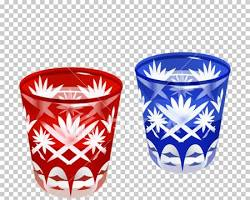
日本語 薩摩切子を特徴づける鮮やかな色彩は、独自の調合技術によって生み出されました。代表的な色は、「藍色」(コバルトブルー)、「紅色」(金赤)、「紫色」です。特に紅色は金を、紫色は金とコバルトを混ぜることで発色させる高度な技術でした。これらの色ガラスを透明ガラスに被せ、カットすることで生まれるグラデーションが、薩摩切子の最大の魅力となっています。
English The vivid colors characterizing Satsuma Kiriko were created through unique formulation techniques. Representative colors include “ai-iro” (cobalt blue), “beni-iro” (gold ruby red), and “murasaki-iro” (purple). The red color particularly required advanced techniques using gold, while purple used a mixture of gold and cobalt. The gradations created by overlaying these colored glasses on clear glass and cutting them became Satsuma Kiriko’s greatest charm.
第6章:江戸切子との違い
Chapter 6: Differences from Edo Kiriko
日本語 よく比較される江戸切子と薩摩切子ですが、両者には明確な違いがあります。江戸切子は色ガラスの層が薄く、カットは鋭く深いのが特徴です。一方、薩摩切子は色ガラスの層が厚く、浅いカットで色の変化を楽しむ「ぼかし」が特徴的です。また、江戸切子が庶民文化の中で発展したのに対し、薩摩切子は藩の威信をかけた事業として生まれたという背景の違いもあります。
English Though often compared, Edo Kiriko and Satsuma Kiriko have distinct differences. Edo Kiriko features thin colored glass layers with sharp, deep cuts. Satsuma Kiriko, conversely, has thick colored glass layers and is characterized by “bokashi” (gradation) achieved through shallow cuts that reveal color transitions. Additionally, while Edo Kiriko developed within common culture, Satsuma Kiriko was born as a domain prestige project—a fundamental difference in origins.
第7章:黄金期 – 1850年代
Chapter 7: The Golden Age – 1850s
日本語 1850年代は薩摩切子の黄金期でした。技術が成熟し、藩の保護のもとで職人たちは次々と優れた作品を生み出しました。この時期の作品は、大名への献上品や外交の贈答品として用いられ、薩摩藩の技術力と文化水準の高さを示すものでした。薩摩切子は単なる工芸品ではなく、藩の威信を象徴する存在だったのです。
English The 1850s represented Satsuma Kiriko’s golden age. With matured techniques and domain protection, craftsmen produced exceptional works one after another. Pieces from this period were used as tribute gifts to feudal lords and diplomatic presents, demonstrating Satsuma Domain’s technical prowess and cultural sophistication. Satsuma Kiriko was not merely a craft item but a symbol of domain prestige.
第8章:薩英戦争の衝撃
Chapter 8: The Impact of the Anglo-Satsuma War
日本語 1863年(文久3年)、薩摩切子の運命を変える事件が起こります。生麦事件に端を発した薩英戦争です。イギリス艦隊の砲撃により、鹿児島の集成館施設は大きな被害を受けました。ガラス工場も例外ではなく、建物や設備の多くが破壊されてしまいました。この戦争は、隆盛を極めていた薩摩切子に大きな打撃を与えることになります。
English In 1863 (Bunkyū 3), an event occurred that would alter Satsuma Kiriko’s fate: the Anglo-Satsuma War, triggered by the Namamugi Incident. British fleet bombardment severely damaged Kagoshima’s Shuseikan facilities. The glass factory was no exception, with many buildings and equipment destroyed. This war dealt a devastating blow to Satsuma Kiriko at its peak of prosperity.
第9章:明治維新と技術の断絶
Chapter 9: The Meiji Restoration and Technical Discontinuity
日本語 明治維新は日本の近代化をもたらしましたが、薩摩切子にとっては終焉を意味しました。廃藩置県により薩摩藩が消滅し、藩の庇護を失った薩摩切子製作は急速に衰退しました。職人たちは離散し、技術の伝承が途絶えてしまいます。わずか30年足らずの歴史で、薩摩切子は「幻の工芸品」となってしまったのです。
English While the Meiji Restoration brought modernization to Japan, it meant the end for Satsuma Kiriko. With the abolition of domains and establishment of prefectures, Satsuma Domain ceased to exist, and Satsuma Kiriko production rapidly declined without domain patronage. Craftsmen scattered and technical transmission ceased. In barely 30 years of history, Satsuma Kiriko became a “phantom craft.”
第10章:失われた100年
Chapter 10: The Lost Century
日本語 明治維新から昭和後期まで、約100年間、薩摩切子の製作は完全に途絶えました。わずかに残された江戸末期の作品は、博物館や個人コレクションで大切に保管されるのみでした。この「失われた100年」の間、薩摩切子の技術は文献や口伝のみで語り継がれる伝説となっていました。しかし、その美しさは人々の記憶から消えることはありませんでした。
English From the Meiji Restoration to the late Shōwa period, for approximately 100 years, Satsuma Kiriko production completely ceased. The few remaining late-Edo period pieces were carefully preserved only in museums and private collections. During this “lost century,” Satsuma Kiriko techniques became legend, passed down only through documents and oral tradition. However, its beauty never faded from people’s memories.
第11章:復活への第一歩 – 1985年
Chapter 11: First Steps Toward Revival – 1985
日本語 1985年、鹿児島県と地元企業が中心となって、薩摩切子の復活プロジェクトが始動しました。しかし、技術を知る職人は誰一人残っておらず、わずかな文献資料と残存する作品のみが頼りでした。研究者たちは、古い作品を科学的に分析し、ガラスの成分やカット技法を解明していきました。まさに、ゼロからの挑戦だったのです。
English In 1985, Kagoshima Prefecture and local companies initiated a Satsuma Kiriko revival project. However, not a single craftsman with knowledge of the techniques remained; only sparse documentary materials and surviving pieces were available. Researchers scientifically analyzed old works, elucidating glass compositions and cutting techniques. It was truly a challenge from zero.
第12章:技術の再現 – 職人たちの挑戦
Chapter 12: Technical Reproduction – The Craftsmen’s Challenge
日本語 復活プロジェクトの最大の課題は、「ぼかし」技法の再現でした。色ガラスの厚さ、カットの深さと角度、研磨の方法など、すべてが試行錯誤の連続でした。職人たちは何百回もの失敗を重ねながら、少しずつ江戸時代の技術に近づいていきました。特に、色ガラスの調合は難航し、当時と同じ発色を得るまでに数年を要しました。
English The revival project’s greatest challenge was reproducing the “bokashi” gradation technique. Everything—colored glass thickness, cut depth and angle, polishing methods—required continuous trial and error. Craftsmen gradually approached Edo-period techniques through hundreds of failures. Color glass formulation particularly proved difficult, requiring several years to achieve colors matching the originals.
第13章:伝統と革新の融合
Chapter 13: Fusion of Tradition and Innovation
日本語 現代の薩摩切子は、伝統技法の忠実な再現だけでなく、新しい試みも取り入れています。伝統的な藍、紅、紫に加えて、黄色や緑などの新色も開発されました。また、カットのデザインも、伝統的な幾何学文様だけでなく、現代的な感性を取り入れた作品も生まれています。伝統を守りながら進化する、それが現代の薩摩切子の姿です。
English Modern Satsuma Kiriko incorporates not only faithful reproduction of traditional techniques but also new endeavors. Beyond traditional blue, red, and purple, new colors like yellow and green have been developed. Cut designs also evolve beyond traditional geometric patterns, incorporating contemporary sensibilities. Preserving tradition while evolving—this is modern Satsuma Kiriko’s identity.
第14章:製作工程の詳細
Chapter 14: Detailed Production Process
日本語 薩摩切子の製作は、多くの工程を経て完成します。まず、ガラス素地を作る「吹きガラス」、次に色ガラスを被せる「色被せ」、そしてデザインに沿ってカットする「切子加工」、最後に表面を滑らかにする「研磨」です。各工程は高度な技術を要し、一つの作品を完成させるのに数週間から数ヶ月かかることもあります。
English Satsuma Kiriko production completes through numerous processes. First, “glass blowing” creates the base glass; next, “color overlay” applies colored glass; then “kiriko processing” cuts according to design; finally, “polishing” smooths the surface. Each process requires advanced skills, and completing a single piece can take weeks to months.
第15章:代表的な文様とデザイン
Chapter 15: Representative Patterns and Designs
日本語 薩摩切子には伝統的な文様があります。「魚子(ななこ)」は細かい円形を連続させた文様、「菊繋ぎ」は菊の花を幾何学的に配置したもの、「六角籠目」は六角形を組み合わせた文様です。これらの文様は、単なる装飾ではなく、日本の伝統的な美意識や吉祥の意味が込められています。光の屈折によって生まれる幾何学的な美しさは、薩摩切子の大きな魅力です。
English Satsuma Kiriko features traditional patterns. “Nanako” consists of continuous small circles; “Kiku-tsunagi” arranges chrysanthemum flowers geometrically; “Rokkaku-kagome” combines hexagonal shapes. These patterns are not mere decoration but embody Japanese aesthetic sensibilities and auspicious meanings. The geometric beauty created through light refraction is a major charm of Satsuma Kiriko.
第16章:現代の工房と職人たち
Chapter 16: Modern Workshops and Craftsmen
日本語 現在、鹿児島県内には複数の薩摩切子工房があり、それぞれが独自の作風を持っています。島津興業の薩摩ガラス工芸、薩摩切子工房など、伝統を受け継ぎながらも、現代のライフスタイルに合った製品開発にも力を入れています。職人の育成も重要な課題で、伝統技術を次世代に継承するための取り組みが続けられています。
English Currently, Kagoshima Prefecture houses multiple Satsuma Kiriko workshops, each with unique artistic styles. Shimadzu Kogyo’s Satsuma Glass Craft, Satsuma Kiriko Kobo, and others preserve tradition while developing products suited to contemporary lifestyles. Craftsman training is also crucial, with ongoing efforts to transmit traditional techniques to the next generation.
第17章:薩摩切子の国際的評価

Chapter 17: International Recognition of Satsuma Kiriko
日本語 薩摩切子は、国内だけでなく国際的にも高い評価を受けています。海外の美術館での展示や、国際工芸展での受賞など、その芸術性が世界で認められています。特に、色被せガラスの技法と「ぼかし」の美しさは、他に類を見ないものとして注目されています。日本の伝統工芸品として、薩摩切子は世界に誇る文化遺産となっています。
English Satsuma Kiriko receives high acclaim not only domestically but internationally. Through exhibitions in overseas museums and awards at international craft competitions, its artistry gains worldwide recognition. Particularly, the colored overlay glass technique and “bokashi” beauty are noted as unparalleled. As a Japanese traditional craft, Satsuma Kiriko stands as cultural heritage of which Japan is proud.
第18章:収集家とコレクション
Chapter 18: Collectors and Collections
日本語 江戸時代の薩摩切子は極めて希少で、コレクターの間で高値で取引されています。尚古集成館(鹿児島)、サントリー美術館(東京)などに貴重な作品が収蔵されています。現代の作品も、作家ものは人気が高く、投資対象としても注目されています。薩摩切子の価値は、その美しさだけでなく、歴史的・文化的背景にも支えられています。
English Edo-period Satsuma Kiriko is extremely rare, commanding high prices among collectors. Precious pieces are housed in the Shoko Shuseikan (Kagoshima), Suntory Museum of Art (Tokyo), and elsewhere. Contemporary works, especially by established artisans, are also popular and attract attention as investment objects. Satsuma Kiriko’s value is supported not only by its beauty but also by its historical and cultural background.
第19章:体験と観光 – 薩摩切子を訪ねる
Chapter 19: Experience and Tourism – Visiting Satsuma Kiriko
日本語 鹿児島を訪れたら、ぜひ薩摩切子の工房見学や製作体験をしてみてください。仙巌園に隣接する尚古集成館では、歴史的な作品を鑑賞できます。また、一部の工房では、職人の技を間近で見学したり、簡単なカット体験ができる教室も開催されています。自分だけのオリジナル作品を作る体験は、旅の素敵な思い出になるでしょう。
English When visiting Kagoshima, definitely explore Satsuma Kiriko workshop tours and hands-on experiences. At the Shoko Shuseikan adjacent to Sengan-en, you can appreciate historical pieces. Some workshops also offer opportunities to observe craftsmen’s skills up close and participate in simple cutting experience classes. Creating your own original piece makes a wonderful travel memory.
第20章:未来へ – 伝統技術の継承
Chapter 20: Toward the Future – Inheriting Traditional Techniques
日本語 薩摩切子の未来は、次世代への技術継承にかかっています。現在、若い職人たちが伝統を学びながら、新しい表現にも挑戦しています。デジタル技術との融合や、海外市場への展開など、可能性は無限に広がっています。しかし、どんなに時代が変わっても、薩摩切子の本質である「手仕事の美」と「ぼかしの技法」は守り続けられるべきものです。伝統を未来へ、薩摩切子は新たな時代に向けて輝き続けます。
English Satsuma Kiriko’s future depends on transmitting techniques to the next generation. Currently, young craftsmen learn tradition while challenging new expressions. Possibilities expand infinitely, including fusion with digital technology and expansion into overseas markets. However, regardless of changing times, the essence of Satsuma Kiriko—”beauty of handcraft” and “bokashi technique”—must be preserved. Carrying tradition into the future, Satsuma Kiriko continues to shine toward a new era.
あとがき / Afterword
日本語版 薩摩切子の歴史をたどる旅は、いかがでしたでしょうか。わずか30年足らずで途絶えた伝統が、100年の時を経て復活したという事実は、まさに奇跡と呼べるものです。この奇跡の背景には、伝統を守り継ごうとする人々の情熱と努力がありました。現代に蘇った薩摩切子は、単なる過去の再現ではなく、新たな時代の息吹を吹き込まれた「生きた伝統」です。これからも薩摩切子が、日本の美意識を世界に伝える架け橋となることを願っています。本ブログが、薩摩切子の魅力を知っていただくきっかけになれば幸いです。
English Version How was your journey tracing Satsuma Kiriko’s history? The fact that a tradition discontinued in barely 30 years revived after a century truly deserves to be called miraculous. Behind this miracle lie the passion and efforts of people determined to preserve and transmit tradition. Modern Satsuma Kiriko is not mere recreation of the past but a “living tradition” infused with contemporary spirit. We hope Satsuma Kiriko continues serving as a bridge conveying Japanese aesthetics to the world. We would be delighted if this blog sparked your interest in Satsuma Kiriko’s charm.


コメント