
前書き(Introduction)
日本語
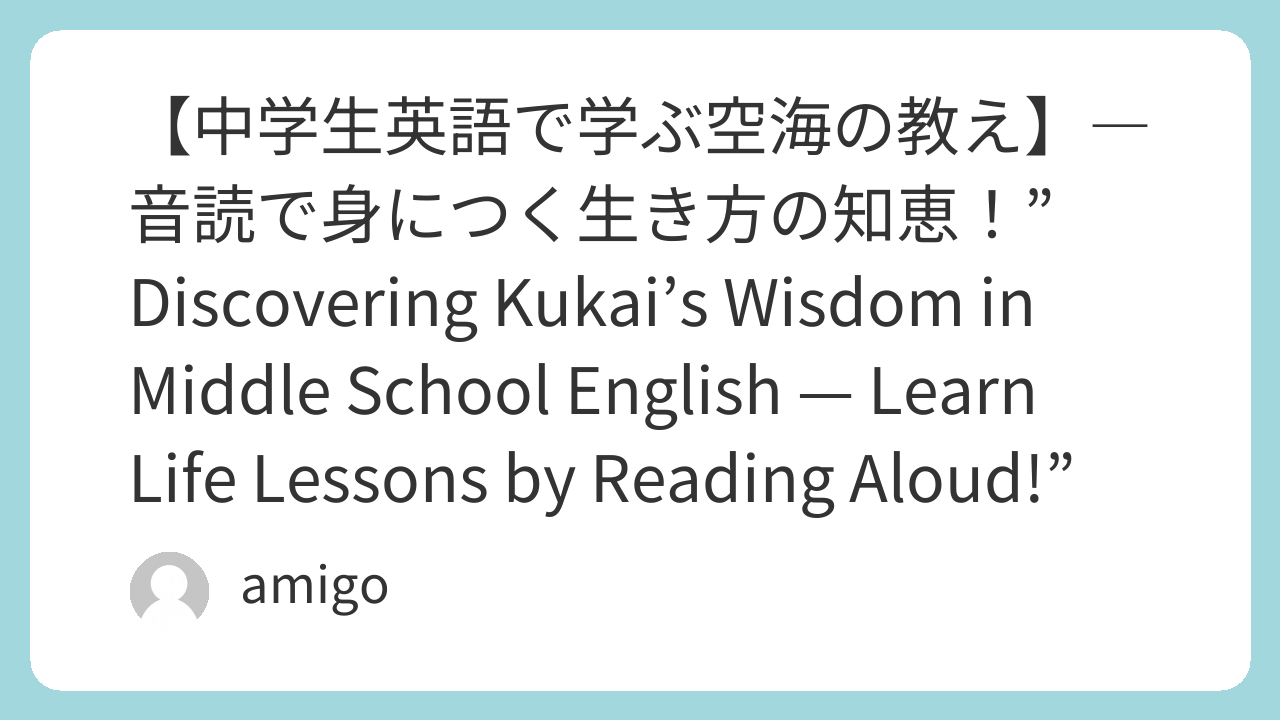
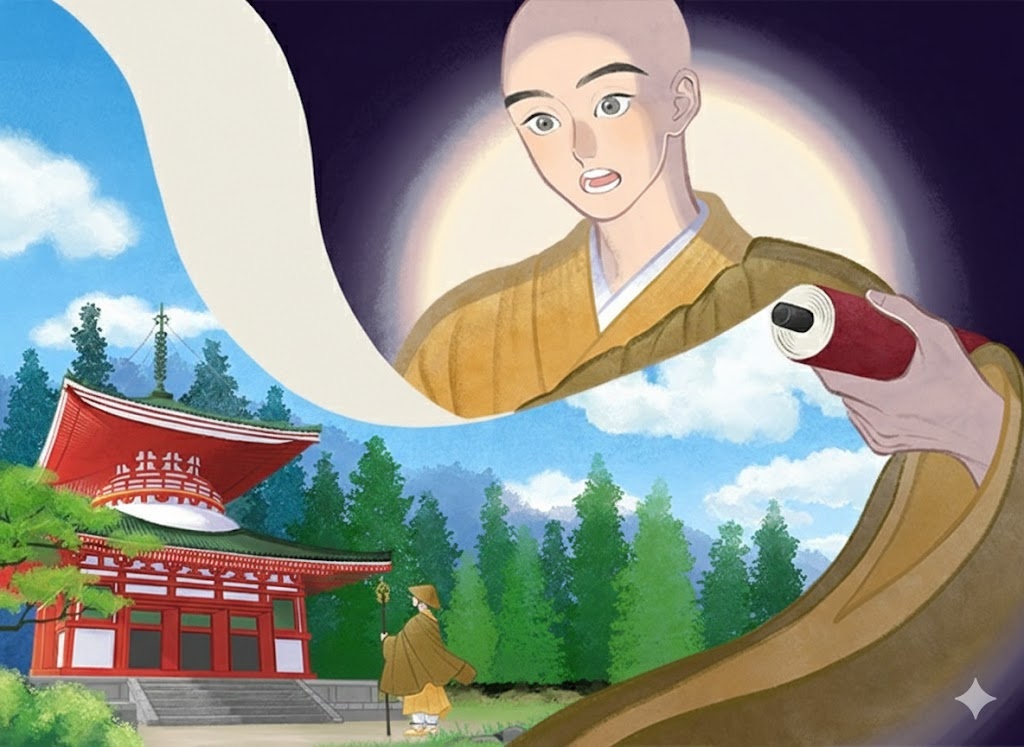
空海は平安時代に活躍した偉大なお坊さんで、真言宗という仏教の宗派を開きました。彼の教えや伝説は、今でも多くの人に知られています。この記事では、空海の生涯や代表的な伝説、真言宗の教え、そして即身成仏の具体的な修行方法について、子どもにも分かりやすく紹介します。読むことで、心が豊かになるヒントが見つかるかもしれません。
English
Kukai was a great monk /who lived in the Heian period /and founded the Shingon sect of Buddhism. /His teachings and legends /are still well known today. /In this article, /we will introduce /Kukai’s life, famous legends, the teachings of Shingon Buddhism, /and practical methods of attaining enlightenment /in this lifetime, /all in a way /that is easy for children to understand./ Reading this /may help you find ways /to enrich your heart.
語句メモ
- 空海(Kukai)=平安時代の僧侶 / Heian period monk
- 真言宗(Shingon Buddhism)=密教の宗派 / Esoteric Buddhist sect
- 即身成仏(Sokushin Jobutsu)=この世で仏になること / Becoming a Buddha in this lifetime
空海の生涯(Kukai’s Life)
段落1
空海は774年に香川県で生まれました。小さい頃からとても賢くて、仏教に興味がありました。15歳で都に出て勉強しましたが、困っている人を助けたいと思って、お坊さんになりました。
Kukai was born in Kagawa Prefecture /in 774. /He was very smart /from a young age /and interested in Buddhism/. At 15, /he went to the capital /to study,/ but decided to become a monk /because he wanted to help /people in need.
語句メモ:空海(Kukai)=平安時代の僧侶 / Heian period monk
段落2
31歳のとき、中国に渡って密教を学び、日本に帰って真言宗という新しい宗派を始めました。高野山に大きなお寺を作ったり、満濃池の工事も手伝ったりしました。
At 31, /he traveled to China /to learn esoteric Buddhism, /and when he returned to Japan, /he started a new sect /called Shingon Buddhism. /He built a big temple/ on Mount Koya /and helped with the repair of the Manno Pond.
語句メモ:密教(Esoteric Buddhism)=特別な仏教の教え / Special Buddhist teachings
段落3
828年には、子どもたちが勉強できる学校も作りました。835年に亡くなりましたが、今でも弘法大師と呼ばれ、多くの人に尊敬されています。
In 828, /he also opened a school /for children to study. /He passed away /in 835, /but is still respected as /Kobo Daishi /by many people today.
語句メモ:弘法大師(Kobo Daishi)=空海の尊称 / Kukai’s honorific title
対話文
- 子ども:空海はどんな人ですか?
- 大人:とても賢くて、困っている人を助けるのが好きでした。
- 子ども:どうやってお坊さんになったのですか?
- 大人:都に行って勉強した後、仏教の道に進みました。
Dialogue
- Child: Who was Kukai?
- Adult: He was very smart and loved helping people in need.
- Child: How did he become a monk?
- Adult: After studying in the capital, he chose the path of Buddhism.
空海の伝説(Kukai’s Legends)
段落1
空海には、たくさんの不思議な伝説があります。杖を地面に突くと、清水や温泉が湧き出たという話があります。
Kukai has /many wonderful legends./ When he stuck his staff into /the ground, clear water or hot springs /would gush out.
語句メモ:清水(Clear water)=湧き水 / Spring water
段落2
ある村では、かめのふたを取ると竜が出てきて、水が湧き出たという話もあります。
In one village, /when a turtle’s lid /was removed, /a dragon appeared /and water /started to flow.
語句メモ:竜(Dragon)=伝説の生き物 / Legendary creature
段落3
空海は5本の筆を同時に使って、5行の文章を一気に書いたという「五筆和尚」の伝説もあります。
There is also a legend /called “Gohitsu Osho,” /where Kukai wrote five lines /at once /using five brushes /at the same time.
語句メモ:五筆和尚(Gohitsu Osho)=5本の筆で書く伝説 / Legend of writing with five brushes
対話文
- 子ども:空海にはどんな伝説がありますか?
- 大人:杖を突くと水が湧く、竜が現れるなど不思議な話がたくさんあります。
- 子ども:五筆和尚って何ですか?
- 大人:5本の筆で一気に書いたという伝説です。
Dialogue
次の英文を3回以上声に出して読んでみよう!
- Child: What legends are there about Kukai?
- Adult: There are many wonderful stories, like water gushing out when he stuck his staff, or a dragon appearing.
- Child: What is Gohitsu Osho?
- Adult: It’s a legend where he wrote five lines at once using five brushes.

真言宗の教え(Teachings of Shingon Buddhism)
段落1
真言宗の最も大切な教えは「即身成仏」です。これは、今この世に生きているうちに、自分の心や行動を仏のように整えることで、仏になれるという考え方です。
The most important teaching of Shingon Buddhism/ is “Sokushin Jobutsu.” /This means that /by aligning your mind and actions /with those of a Buddha, you can become a Buddha /in this lifetime.
語句メモ:即身成仏(Sokushin Jobutsu)=この世で仏になること / Becoming a Buddha in this lifetime
段落2
仏になるためには、「身(しん)=体の行動」、「口(く)=言葉」、「意(い)=心」の3つを整える「三密」の修行が重要です。
To achieve this, /the practice of “Sanmitsu” (body, speech, and mind)/ is essential.
語句メモ:三密(Sanmitsu)=身・口・意の修行 / Body, speech, and mind practices
段落3
真言宗の本尊は「大日如来」です。大日如来は、すべての仏の中心とされ、宇宙の真理を表す存在です。
The main Buddha of /Shingon Buddhism /is “Dainichi Nyorai,” /who represents the center of all Buddhas /and the truth of the universe.
語句メモ:大日如来(Dainichi Nyorai)=真言宗の本尊 / Main Buddha of Shingon Buddhism
対話文
- 子ども:真言宗の教えって何ですか?
- 大人:「即身成仏」が一番大切です。
- 子ども:三密って何ですか?
- 大人:身・口・意の3つを整える修行です。
Dialogue
次の英文を3回以上声に出して読んでみよう!
- Child: What are the teachings of Shingon Buddhism?
- Adult: “Sokushin Jobutsu” is the most important.
- Child: What is Sanmitsu?
- Adult: It’s a practice to align your body, speech, and mind.
その他(Others)
空海は、能書家としても知られ、嵯峨天皇・橘逸勢と共に三筆のひとりに数えられています。
Kukai was also known as /a calligrapher /and is counted as /one of the “Sanpitsu” (Three Brushes) /along with Emperor Saga and Tachibana no Hayanari.
語句メモ:三筆(Sanpitsu)=平安時代の3大書家 / Three great calligraphers of the Heian period
段落2
空海は、満濃池の改修工事など、土木や治水の知識も生かして、人々の生活を助けました。
Kukai used his knowledge of /civil engineering and water management/ to help people’s lives, /such as the repair of /the Manno Pond.
語句メモ:満濃池(Manno Pond)=香川県のため池 / Reservoir in Kagawa Prefecture
段落3
空海の教えや伝説は、今でも多くの人に勇気や希望を与えています。
Kukai’s teachings and legends /still give courage and hope /to many people today.
語句メモ:勇気(Courage)=心の強さ / Inner strength
対話文
- 子ども:空海は他に何をしましたか?
- 大人:満濃池の工事や学校作りもしました。
- 子ども:三筆って何ですか?
- 大人:平安時代の3大書家のことです。
Dialogue
次の英文を3回以上声に出して読んでみよう!
- Child: What else did Kukai do?
- Adult: He helped with the Manno Pond and built a school.
- Child: What is Sanpitsu?
- Adult: It means the three great calligraphers of the Heian period.
心に響く空海名言12選
空海の名言12の英語訳を何回も声に出して読みながら、あなたの心に届けてください。
1. 人の短を道うこと無かれ,己の長を説くこと無かれ
Do not speak of others’ faults, nor boast of your own merits.
- 短(たん):欠点、悪いところ
- 長(ちょう):長所、良いところ
- 道(い)う:語る、言う
- 説く:説明する、自慢する
- 対話的解説:他人の欠点を指摘したり、自分の長所を自慢したりしないこと。人間関係を穏やかに保つための基本的な心がけ。
2. 人間は誰もが胸のなかに、宝石となる石を持っている
Everyone has a stone in their heart that can become a gem.
- 宝石となる石:心の潜在能力
- 対話的解説:誰にでも心の中に輝く可能性がある。自分や他人の可能性を信じることの大切さ。
3. 身は華と与に落ちぬれども、心は香と将に飛ぶ
Though the body may fall with the flower, the heart will fly with fragrance.
- 華(はな):花
- 香(こう):香り
- 対話的解説:体は朽ちても、心の美しさや思いは残る。外見や物質よりも心の在り方が大切。
4. 物の荒廃は必ず人に由り、人の昇沈は定めて道に在り
The decline of things is always due to people, and the rise and fall of people is determined by their path.
- 荒廃:荒れ果てること
- 昇沈:盛衰、浮き沈み
- 道:生き方、道徳
- 対話的解説:物事の成否は人の行動にかかっている。人の成功や失敗は、その生き方(道)に左右される。
5. 虚空尽き、衆生尽き、涅槃尽きなば、我が願いも尽きん
If the universe ends, if all beings end, if Nirvana ends, then my vow will also end.
- 虚空:宇宙
- 衆生:すべての生き物
- 涅槃:悟りの境地
- 対話的解説:すべてが終わるまで、自分の願いも終わらない。強い誓いと慈悲心の象徴。
6. 医王の目には途に触れてみな薬なり、解宝の人は鉱石を宝と見る
To the eyes of a healer, everything encountered is medicine; to one who understands treasure, even ore is a treasure.
- 医王:医者の王、優れた医者
- 解宝:宝を理解する人
- 対話的解説:物事の見方次第で価値が変わる。視点を変えることで、何でも宝になる。
7. ものの道理を見る目が開いていれば、身の回りのもの全てが大事なものだと分かる
If your eyes are open to the truth of things, you will realize that everything around you is precious.
- 道理:物事の本質、真実
- 対話的解説:物事の本質がわかれば、身の回りのすべてが大切だと気づく。感謝の心を持つことの重要性。
8. 物に定まれる性なし。人、何ぞ常に悪ならん
Things have no fixed nature. How can a person always be evil?
- 定まれる性:決まった性質
- 対話的解説:物事や人は固定された性質を持たない。人は常に悪人ではない。変化や成長の可能性がある。
9. 優れた知恵者は愚か者にみえる
A truly wise person may appear foolish.
- 対話的解説:本当に賢い人は、一見愚かに見えることもある。外見や評価に惑わされず、本質を見極める大切さ。
10. 仏法遙かに非ず。心中にして即ち近し
The teachings of Buddha are not far away. They are within your heart.
- 仏法:仏教の教え
- 対話的解説:仏教の教えは遠くではなく、自分の心の中にある。内省と自己理解の重要性。
11. 人を思いやる気持ちと、人に利益をもたらす行動をすることが全ての根本である
The foundation of everything is caring for others and acting for their benefit.
- 対話的解説:思いやりと他人のためになる行動が、すべての基本。人間関係や社会の根幹。
12. 道理に迷って苦しむのも、自分の中にある仏に目覚めて正しく励むのも、みな自分の決心次第である
Whether you suffer from confusion or awaken to the Buddha within and strive rightly, it all depends on your own determination.
- 決心:心を決める、決意
- 対話的解説:迷って苦しむも、仏に目覚めて励むも、自分の決心次第。自己責任と自己成長の重要性。

1. 空海×英語音読で心に刻む!人生を豊かにする12の教え
この空海のひとり言コーナーでは、空海になりきって何回も繰り返し英文を音読してみてください。
空海の独白
- 日本語:
言葉は心の現れなり。
心清らかければ言葉もまた清らか。
英語で読むことも、心を洗う修行なり。
毎日の音読が、人生の羅針盤となる。 - English:
Words are the reflection /of the heart.
If the heart is pure, /words will also be pure.
Reading in English /is also a practice/ to cleanse the mind.
Daily recitation becomes /the compass of life.
2. 英語で学ぶ空海の教え―音読で身につく生き方の知恵
空海の独白
- 日本語:
人の短を言わず、己の長を語らず。
英語の音読も、謙虚な心で取り組め。
心の奥に刻む言葉こそ、真の智慧なり。
音読は、日々の心の鍛錬なり。 - English:
Do not speak of /others’ faults, nor boast of/ your own merits.
Approach English recitation /with humility.
Words engraved in the heart /are true wisdom.
Recitation is daily training /for the mind.
3. 空海名言英語音読チャレンジ―言葉を心に刻み、道をひらく
空海の独白
- 日本語:
身は華と与に落ちぬれども、心は香と将に飛ぶ。
英語の音読は、心の香りを高める。
言葉を心に刻めば、道は自然と開ける。
毎日の実践が、人生の道しるべとなる。 - English:
Though the body may fall /with the flower, the heart will fly /with fragrance.
English recitation elevates /the fragrance of the heart.
When words are engraved /in the heart,/ the path /naturally opens.
Daily practice /becomes the guide of life.
4. 空海の智慧を英語で音読しよう!―毎日の実践が導く人生の道しるべ
空海の独白
- 日本語:
仏法遙かに非ず。心中にして即ち近し。
英語の音読も、心の中にある仏法を呼び覚ます。
心に刻む言葉こそ、人生の指針なり。
毎日の実践が、心を豊かにする。 - English:
The teachings of Buddha are /not far away. They are /within your heart.
English recitation /awakens the Buddha’s teachings /within.
Words engraved in the heart /are the compass of life.
Daily practice /enriches the heart.
5. 英語で響く空海の教え―音読で日々養う心の力と人生哲学
空海の独白
- 日本語:
人を思いやる気持ちと、人に利益をもたらす行動をすることが全ての根本である。
英語の音読も、思いやりの心を育てる。
心に刻む言葉こそ、人生哲学の源なり。
毎日の実践が、心の力を育てる。 - English:
Caring for /others and acting for /their benefit is /the foundation of everything.
English recitation /nurtures a caring heart.
Words engraved in the heart /are the source /of life philosophy.
Daily practice /cultivates the strength /of the heart.
これらの独白は、空海の教えを現代的に解釈し、英語音読という実践と結びつけています。
空海の心を磨く12の教え復習版
英語の音読練習英文フレーズ集
次の英文をすべて感情を込めてスラスラ読めるよう声を出して音読してみましょう!
- 前書き(Introduction)
- 空海の生涯(Kukai’s Life)
- 空海の伝説(Kukai’s Legends)
- 真言宗の教え(Teachings of Shingon Buddhism)
- その他(Others)
- 1. 人の短を道うこと無かれ,己の長を説くこと無かれ
- 2. 人間は誰もが胸のなかに、宝石となる石を持っている
- 3. 身は華と与に落ちぬれども、心は香と将に飛ぶ
- 4. 物の荒廃は必ず人に由り、人の昇沈は定めて道に在り
- 5. 虚空尽き、衆生尽き、涅槃尽きなば、我が願いも尽きん
- 6. 医王の目には途に触れてみな薬なり、解宝の人は鉱石を宝と見る
- 7. ものの道理を見る目が開いていれば、身の回りのもの全てが大事なものだと分かる
- 8. 物に定まれる性なし。人、何ぞ常に悪ならん
- 9. 優れた知恵者は愚か者にみえる
- 10. 仏法遙かに非ず。心中にして即ち近し
- 11. 人を思いやる気持ちと、人に利益をもたらす行動をすることが全ての根本である
- 12. 道理に迷って苦しむのも、自分の中にある仏に目覚めて正しく励むのも、みな自分の決心次第である
- 1. 空海×英語音読で心に刻む!人生を豊かにする12の教え
- 2. 英語で学ぶ空海の教え―音読で身につく生き方の知恵
- 3. 空海名言英語音読チャレンジ―言葉を心に刻み、道をひらく
- 4. 空海の智慧を英語で音読しよう!―毎日の実践が導く人生の道しるべ
- 5. 英語で響く空海の教え―音読で日々養う心の力と人生哲学
- ① 他人の欠点を指摘したり、自分の長所を自慢したりしないこと。
- ② 誰にでも心の中に輝く可能性がある。
- ③ 体は朽ちても、心の美しさや思いは残る。
- ④ 物事の成否は人の行動にかかっている。
- ⑤ すべてが終わるまで、自分の願いも終わらない。
- ⑥ 物事の見方次第で価値が変わる。
- ⑦ 物事の本質がわかれば、身の回りのすべてが大切だと気づく。
- ⑧ 物事や人は固定された性質を持たない。
- ⑨ 本当に賢い人は、一見愚かに見えることもある。
- ⑩ 仏教の教えは遠くではなく、自分の心の中にある。
- ⑪ 思いやりと他人のためになる行動が、すべての基本。
- ⑫ 迷って苦しむも、仏に目覚めて励むも、自分の決心次第。
① 他人の欠点を指摘したり、自分の長所を自慢したりしないこと。
English:
Do not point out others’ flaws or brag about your own strengths.
This is a basic attitude for keeping relationships peaceful.
対訳:
他人の欠点を指摘したり、自分の長所を自慢してはいけません。
これは人間関係を穏やかに保つための基本的な心がけです。
語句メモ:
- point out 〜:〜を指摘する
- flaw:欠点
- brag about〜:〜を自慢する
- peaceful relationships:穏やかな人間関係
② 誰にでも心の中に輝く可能性がある。
English:
Everyone has a shining potential within.
It is important to believe in the potential of yourself and others.
対訳:
誰にでも心の中に輝く可能性があります。
自分や他人の可能性を信じることが大切です。
語句メモ:
- potential:可能性
- within:内側に
- believe in〜:〜を信じる
③ 体は朽ちても、心の美しさや思いは残る。
English:
Even if the body decays, the beauty of the heart and one’s thoughts remain.
What matters most is the state of the heart, not appearance or possessions.
対訳:
たとえ体は朽ちても、心の美しさや思いは残ります。
最も大切なのは、外見や所有物ではなく、心の在り方です。
語句メモ:
- decay:朽ちる
- remain:残る
- appearance:外見
- possessions:所有物
④ 物事の成否は人の行動にかかっている。
English:
Success or failure depends on one’s actions.
A person’s path determines their achievements and setbacks.
対訳:
物事の成功や失敗は、人の行動次第です。
人の生き方(道)が、その成果や挫折を決定します。
語句メモ:
- depend on〜:〜に依存する・〜次第である
- path:生き方、道
- achievement:成功、達成
- setback:失敗、挫折
⑤ すべてが終わるまで、自分の願いも終わらない。
English:
Your vow does not end until everything is fulfilled.
It symbolizes strong determination and compassion.
対訳:
すべてが終わるまで、自分の誓いも終わりません。
これは強い決意と慈悲心の象徴です。
語句メモ:
- vow:誓い
- fulfill:成し遂げる
- determination:決意
- compassion:慈悲
⑥ 物事の見方次第で価値が変わる。
English:
The value of things changes depending on how you see them.
By shifting your perspective, anything can become a treasure.
対訳:
物事の価値は、どう見るかによって変わります。
視点を変えることで、どんなものでも宝物になることがあります。
語句メモ:
- perspective:視点
- shift one’s perspective:視点を変える
- treasure:宝物
⑦ 物事の本質がわかれば、身の回りのすべてが大切だと気づく。
English:
When you understand the essence of things, you realize that everything around you is precious.
This teaches the importance of gratitude.
対訳:
物事の本質を理解すると、身の回りのすべてが大切だと気づきます。
これは感謝の心を持つことの重要性を教えています。
語句メモ:
- essence:本質
- precious:大切な、貴重な
- gratitude:感謝
⑧ 物事や人は固定された性質を持たない。
English:
Things and people do not have fixed natures.
A person is not always evil; everyone has the potential to change and grow.
対訳:
物事や人は固定された性質を持ちません。
人は常に悪人ではなく、誰にでも変化や成長の可能性があります。
語句メモ:
- fixed nature:固定された性質
- evil:悪
- change and grow:変化して成長する
⑨ 本当に賢い人は、一見愚かに見えることもある。
English:
A truly wise person may sometimes appear foolish.
It is important not to be misled by appearances or judgments, but to see the essence.
対訳:
本当に賢い人は、時に一見愚かに見えることがあります。
外見や評価に惑わされず、本質を見極めることが大切です。
語句メモ:
- wise:賢い
- appear 〜:〜に見える
- be misled by〜:〜に惑わされる
- essence:本質
⑩ 仏教の教えは遠くではなく、自分の心の中にある。
English:
Buddhist teachings are not far away—they exist within your own heart.
This highlights the importance of reflection and self-understanding.
対訳:
仏教の教えは遠くにあるのではなく、自分の心の中にあります。
これは内省と自己理解の重要性を強調しています。
語句メモ:
- teaching:教え
- reflection:内省
- self-understanding:自己理解
⑪ 思いやりと他人のためになる行動が、すべての基本。
English:
Compassion and actions for the benefit of others are the foundation of everything.
They form the core of human relationships and society.
対訳:
思いやりと他人のためになる行動が、すべての基本です。
それらは人間関係や社会の根幹を形成します。
語句メモ:
- compassion:思いやり
- benefit of others:他人のためになること
- foundation:土台、基本
- core:根幹、中心
⑫ 迷って苦しむも、仏に目覚めて励むも、自分の決心次第。
English:
Whether you suffer in confusion or awaken and strive like a Buddha depends on your own decision.
This emphasizes personal responsibility and self-growth.
対訳:
迷って苦しむも、仏に目覚めて励むも、自分の決心次第です。
これは自己責任と自己成長の重要性を強調しています。
語句メモ:
- confusion:迷い
- awaken:目覚める
- strive:励む
- personal responsibility:自己責任
- self-growth:自己成長
まとめ
この12の教えは、日常生活で実践できる心の指針です。
- 他人への思いやり
- 自己理解
- 物事の本質を見る力
これらを意識するだけで、あなた自身も周囲の人もより豊かで穏やかな人生を送れます。
少しずつ日常に取り入れてみましょう。
後書き(Conclusion)
日本語
空海の教えや伝説は、今でも多くの人に勇気や希望を与えています。真言宗の教えを通じて、自分自身を見つめ直し、より良い人生を送るヒントが見つかるかもしれません。空海の生涯や教えを学ぶことで、心を豊かにすることができるでしょう。
English
Kukai’s teachings and legends still give courage and hope to many people today. Through the teachings of Shingon Buddhism, you may find new ways to reflect on yourself and live a better life. Learning about Kukai’s life and teachings can enrich your heart.
語句メモ
- 勇気(Courage)=心の強さ / Inner strength
- 希望(Hope)=未来への期待 / Hope for the future
- 教え(Teachings)=仏教の教え / Buddhist teachings
コメント