- 前書き | Foreword
- 第1章:ダチョウとは何か | Chapter 1: What Is an Ostrich?
- 第2章:解剖学的特徴 | Chapter 2: Anatomical Features
- 第3章:生息地と分布 | Chapter 3: Habitat and Distribution
- 第4章:食性と採餌行動 | Chapter 4: Diet and Foraging Behavior
- 第5章:社会構造と行動 | Chapter 5: Social Structure and Behavior
- 第6章:繁殖と子育て | Chapter 6: Reproduction and Parenting
- 第7章:雛の成長と発達 | Chapter 7: Chick Growth and Development
- 第8章:走行能力と防御機構 | Chapter 8: Running Ability and Defense Mechanisms
- 第9章:捕食者と生存戦略 | Chapter 9: Predators and Survival Strategies
- 第10章:ダチョウの感覚器官 | Chapter 10: Ostrich Sensory Organs
- 第11章:人間とダチョウの歴史 | Chapter 11: History of Humans and Ostriches
- 第12章:ダチョウ養殖の歴史と発展 | Chapter 12: History and Development of Ostrich Farming
- 第13章:ダチョウ製品と用途 | Chapter 13: Ostrich Products and Uses
- 第14章:ダチョウの健康と病気 | Chapter 14: Ostrich Health and Diseases
- 第15章:野生ダチョウの保全 | Chapter 15: Wild Ostrich Conservation
- 第16章:ダチョウの知能と学習能力 | Chapter 16: Ostrich Intelligence and Learning Ability
- 第17章:気候変動とダチョウ | Chapter 17: Climate Change and Ostriches
- 第18章:ダチョウに関する神話と誤解 | Chapter 18: Myths and Misconceptions About Ostriches
- 第19章:ダチョウ観光と教育 | Chapter 19: Ostrich Tourism and Education
- 第20章:ダチョウの未来 | Chapter 20: The Future of Ostriches
- あとがき | Afterword
- SEOキーワード | SEO Keywords
前書き | Foreword
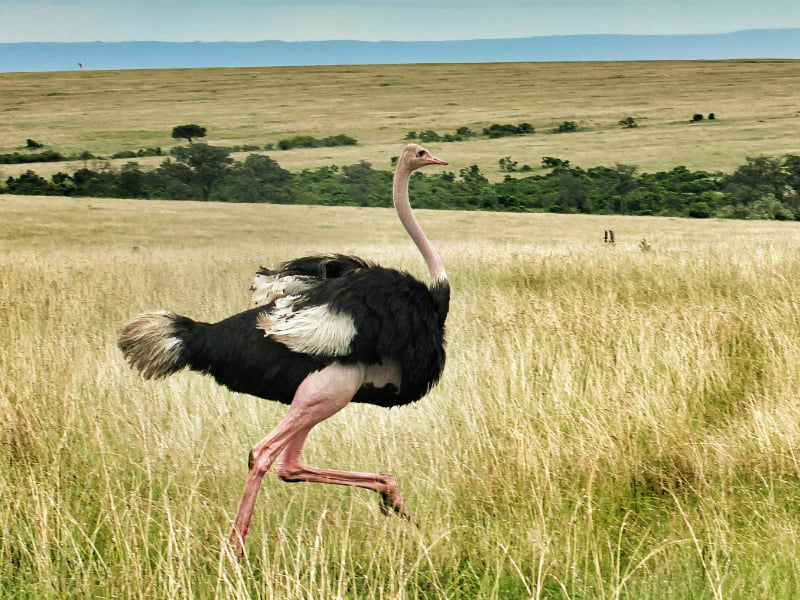
ダチョウは、私たち人間の想像力を何世紀にもわたって刺激してきた驚異的な生き物です。飛べない鳥でありながら、時速70キロメートルで走ることができ、地球上で最も大きな鳥であり、最も大きな卵を産みます。このブログでは、ダチョウの生態、行動、歴史、そして現代社会における役割まで、包括的に探求していきます。
Ostriches are remarkable creatures that have captivated human imagination for centuries. Though flightless, they can run at speeds of 70 kilometers per hour, are the largest birds on Earth, and lay the biggest eggs. This blog comprehensively explores ostrich ecology, behavior, history, and their role in modern society.
アフリカのサバンナを駆け抜けるこの雄大な鳥について、科学的知見と実用的情報の両面から深く掘り下げていきましょう。
Let us delve deeply into both scientific knowledge and practical information about these majestic birds that race across the African savanna.
第1章:ダチョウとは何か | Chapter 1: What Is an Ostrich?
ダチョウ(学名:Struthio camelus)は、走鳥類に属する飛べない鳥です。現存する鳥類の中で最も大きく、成鳥のオスは体高2.5メートル、体重150キログラムに達することもあります。アフリカ大陸原産で、主にサバンナや半砂漠地帯に生息しています。
The ostrich (scientific name: Struthio camelus) is a flightless bird belonging to ratites. It is the largest living bird species, with adult males reaching heights of 2.5 meters and weights of up to 150 kilograms. Native to the African continent, they primarily inhabit savannas and semi-desert regions.
ダチョウの最も特徴的な点は、その巨大な体と長い首、そして強力な脚です。二本の指を持つ足は、高速走行に最適化されています。
The ostrich’s most distinctive features are its massive body, long neck, and powerful legs. Its two-toed feet are optimized for high-speed running.
第2章:解剖学的特徴 | Chapter 2: Anatomical Features
ダチョウの体は、地上生活に完璧に適応しています。翼は退化していますが、求愛ダンスや体温調節、バランス維持に使用されます。目は陸生動物の中で最も大きく、直径5センチメートルにもなり、遠くの捕食者を発見するのに役立ちます。
The ostrich body is perfectly adapted to terrestrial life. While wings are vestigial, they are used for courtship displays, temperature regulation, and balance maintenance. Their eyes are the largest of any land animal, measuring 5 centimeters in diameter, helping them spot distant predators.
消化器系は、繊維質の多い植物を効率的に処理できるよう発達しています。胃には小石を飲み込んで保持し、食物の粉砕を助けます。
The digestive system is developed to efficiently process fibrous plants. They swallow and retain small stones in their stomach to help grind food.
第3章:生息地と分布 | Chapter 3: Habitat and Distribution
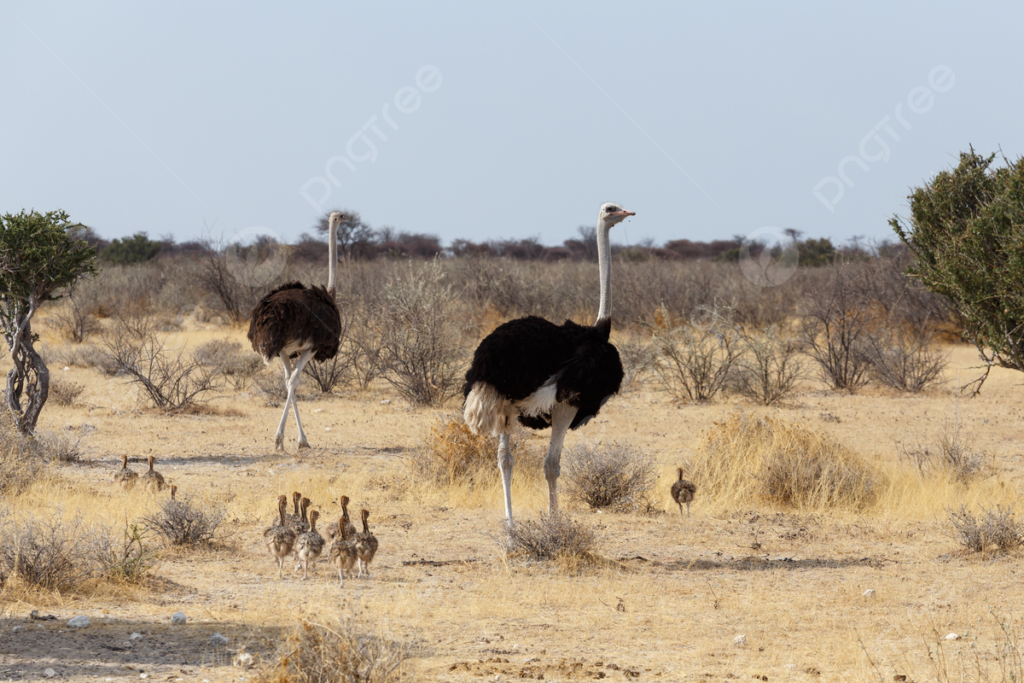
歴史的に、ダチョウはアフリカ全土、中東、アラビア半島に広く分布していました。しかし現在では、主にサハラ砂漠以南のアフリカに生息しています。草原、サバンナ、開けた森林地帯を好みます。
Historically, ostriches were widely distributed across Africa, the Middle East, and the Arabian Peninsula. However, they now primarily inhabit sub-Saharan Africa. They prefer grasslands, savannas, and open woodlands.
乾燥した環境に適応しており、長期間水なしで生存できます。植物から必要な水分の大部分を摂取します。
Adapted to arid environments, they can survive extended periods without water. They obtain most needed moisture from plants.
第4章:食性と採餌行動 | Chapter 4: Diet and Foraging Behavior
ダチョウは雑食性ですが、主に草食性です。種子、根、葉、花を食べますが、昆虫、トカゲ、小型の齧歯類も食べます。一日に約2キログラムの食物を消費します。
Ostriches are omnivorous but primarily herbivorous. They eat seeds, roots, leaves, and flowers, but also consume insects, lizards, and small rodents. They consume approximately 2 kilograms of food daily.
採餌は主に早朝と夕方に行われ、日中の暑い時間帯は休息します。群れで採餌することで、捕食者の監視を分担できます。
Foraging occurs mainly in early morning and evening, with rest during hot midday hours. Group foraging allows shared predator vigilance.
第5章:社会構造と行動 | Chapter 5: Social Structure and Behavior
ダチョウは複雑な社会構造を持っています。繁殖期には、一頭のオスと複数のメスからなるハーレムを形成します。非繁殖期には、より大きな群れで生活することもあります。
Ostriches have complex social structures. During breeding season, they form harems consisting of one male and multiple females. In non-breeding seasons, they may live in larger flocks.
階層制があり、優位なオスは縄張りを守り、主要なメス(アルファメス)と共に巣を作ります。他のメスもその巣に卵を産みます。
Hierarchy exists, with dominant males defending territories and building nests with the primary female (alpha female). Other females also lay eggs in this nest.
第6章:繁殖と子育て | Chapter 6: Reproduction and Parenting
繁殖期は地域によって異なりますが、通常は乾季に行われます。オスは精巧な求愛ダンスを披露し、翼を広げて首を振ります。メスは地面に掘った浅い窪地に卵を産みます。
Breeding season varies by region but typically occurs during dry season. Males perform elaborate courtship dances, spreading wings and swaying necks. Females lay eggs in shallow depressions dug in the ground.
一つの巣に最大60個の卵が産まれることがあります。卵は世界最大で、重さ1.4キログラム、直径15センチメートルにもなります。孵化期間は約42日間です。
A single nest may contain up to 60 eggs. These are the world’s largest eggs, weighing 1.4 kilograms and measuring 15 centimeters in diameter. Incubation period is approximately 42 days.
第7章:雛の成長と発達 | Chapter 7: Chick Growth and Development
孵化したダチョウの雛は、生まれてすぐに歩くことができます。体高約25センチメートル、体重約1キログラムで生まれます。雛は茶色の羽毛で覆われており、カモフラージュに役立ちます。
Newly hatched ostrich chicks can walk immediately after birth. They are born approximately 25 centimeters tall and weighing about 1 kilogram. Chicks are covered in brown plumage that aids camouflage.
両親は雛を熱心に守り、特に父親は夜間の保護に重要な役割を果たします。雛は生後3〜4年で性成熟に達します。
Parents vigilantly protect chicks, with fathers playing crucial roles in nighttime protection. Chicks reach sexual maturity at 3-4 years old.
第8章:走行能力と防御機構 | Chapter 8: Running Ability and Defense Mechanisms
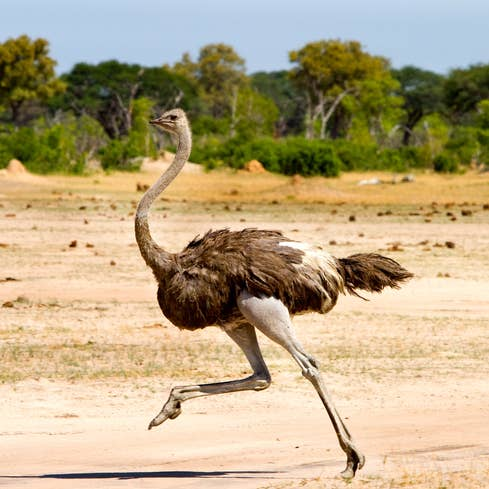
ダチョウは鳥類の中で最速のランナーで、最高時速70キロメートルに達します。強力な脚は、一歩で3〜5メートル進むことができます。持久力もあり、時速50キロメートルで30分間走り続けることができます。
Ostriches are the fastest runners among birds, reaching maximum speeds of 70 kilometers per hour. Their powerful legs can cover 3-5 meters in a single stride. They also have endurance, maintaining 50 kilometers per hour for 30 minutes.
防御メカニズムとして、鋭い爪を持つ強力なキックを使います。一撃でライオンを殺すこともできるほどの力があります。
As defense mechanisms, they use powerful kicks with sharp claws. A single kick can be strong enough to kill a lion.
第9章:捕食者と生存戦略 | Chapter 9: Predators and Survival Strategies
成鳥のダチョウの主な捕食者は、ライオン、ヒョウ、ハイエナです。雛と卵は、ジャッカル、ハゲワシ、ハイエナ、ヒヒなど、より多くの動物に狙われます。
Main predators of adult ostriches are lions, leopards, and hyenas. Chicks and eggs are targeted by more animals including jackals, vultures, hyenas, and baboons.
生存戦略には、優れた視力による早期発見、高速逃走、そして必要に応じた攻撃的な防御が含まれます。群れでの生活も重要な防御戦略です。
Survival strategies include early detection through excellent vision, high-speed escape, and aggressive defense when necessary. Group living is also an important defensive strategy.
第10章:ダチョウの感覚器官 | Chapter 10: Ostrich Sensory Organs
ダチョウは非常に発達した視覚を持ち、数キロメートル先の動きも検知できます。目は脳よりも大きく、立体視が可能で距離の判断に優れています。
Ostriches have highly developed vision and can detect movement several kilometers away. Their eyes are larger than their brains, enabling stereoscopic vision and excellent distance judgment.
聴覚も鋭敏で、低周波音を感知できます。これにより、遠くの捕食者や他のダチョウの警告音を聞き取れます。
Hearing is also acute, capable of detecting low-frequency sounds. This allows them to hear distant predators and warning calls from other ostriches.
第11章:人間とダチョウの歴史 | Chapter 11: History of Humans and Ostriches
ダチョウと人間の関係は古代にさかのぼります。古代エジプトでは、ダチョウの羽は権力と正義の象徴として使われました。ローマ時代には、ダチョウの肉が珍味として食べられました。
The relationship between ostriches and humans dates to ancient times. In ancient Egypt, ostrich feathers were used as symbols of power and justice. During Roman times, ostrich meat was eaten as a delicacy.
19世紀には、ダチョウの羽が女性のファッションで非常に人気となり、大規模な養殖産業が始まりました。
In the 19th century, ostrich feathers became highly popular in women’s fashion, launching large-scale farming industries.
第12章:ダチョウ養殖の歴史と発展 | Chapter 12: History and Development of Ostrich Farming
商業的なダチョウ養殖は1860年代に南アフリカで始まりました。羽毛の需要が高まり、「羽毛男爵」と呼ばれる富裕層が誕生しました。20世紀初頭には世界中に広がりました。
Commercial ostrich farming began in South Africa in the 1860s. High feather demand created wealthy “feather barons.” By the early 20th century, it spread worldwide.
現代では、肉、皮革、羽毛の生産のために養殖されています。南アフリカ、イスラエル、オーストラリア、アメリカが主要な生産国です。
Today, they are farmed for meat, leather, and feathers. South Africa, Israel, Australia, and the United States are major producers.
第13章:ダチョウ製品と用途 | Chapter 13: Ostrich Products and Uses
ダチョウの肉は、低脂肪、低コレステロール、高タンパク質で、牛肉の健康的な代替品として人気があります。味は牛肉に似ていますが、より赤身です。
Ostrich meat is low-fat, low-cholesterol, and high-protein, popular as a healthy beef alternative. The taste resembles beef but is leaner.
ダチョウの革は、非常に耐久性があり、独特の突起模様が特徴です。高級ハンドバッグ、靴、財布に使用されます。羽毛は装飾品や羽根払いに利用されます。
Ostrich leather is extremely durable with distinctive quill patterns. It’s used for luxury handbags, shoes, and wallets. Feathers are utilized for decorations and dusters.
第14章:ダチョウの健康と病気 | Chapter 14: Ostrich Health and Diseases
養殖ダチョウは様々な病気にかかります。主な疾患には、呼吸器感染症、寄生虫感染、栄養欠乏症があります。適切な衛生管理と栄養管理が重要です。
Farmed ostriches are susceptible to various diseases. Main ailments include respiratory infections, parasitic infections, and nutritional deficiencies. Proper hygiene and nutrition management are crucial.
獣医学的ケアには、定期的な健康チェック、予防接種、寄生虫駆除が含まれます。早期発見と治療が群れの健康維持に不可欠です。
Veterinary care includes regular health checks, vaccinations, and parasite control. Early detection and treatment are essential for maintaining herd health.
第15章:野生ダチョウの保全 | Chapter 15: Wild Ostrich Conservation
野生のダチョウ個体群は、生息地の喪失、狩猟、人間活動により減少しています。いくつかの亜種は絶滅の危機に瀕しています。特にアラビアダチョウは野生では絶滅しました。
Wild ostrich populations are declining due to habitat loss, hunting, and human activities. Some subspecies are endangered. The Arabian ostrich is extinct in the wild.
保全努力には、保護区の設立、反密猟パトロール、再導入プログラムが含まれます。国際協力が野生個体群の保護に重要です。
Conservation efforts include establishing protected areas, anti-poaching patrols, and reintroduction programs. International cooperation is vital for protecting wild populations.
第16章:ダチョウの知能と学習能力 | Chapter 16: Ostrich Intelligence and Learning Ability
ダチョウは一般的に考えられているよりも知的です。複雑な社会的相互作用を理解し、個体を認識し、環境から学習します。問題解決能力も示します。
Ostriches are more intelligent than commonly believed. They understand complex social interactions, recognize individuals, and learn from their environment. They also demonstrate problem-solving abilities.
訓練により、人間の指示に従うことを学び、特定の行動パターンを身につけることができます。記憶力も良好です。
Through training, they can learn to follow human commands and acquire specific behavioral patterns. They also have good memory.
第17章:気候変動とダチョウ | Chapter 17: Climate Change and Ostriches
気候変動は、ダチョウの生息地と行動に影響を与えています。降水パターンの変化は食物の利用可能性に影響し、極端な気温は繁殖成功率を低下させる可能性があります。
Climate change is affecting ostrich habitats and behavior. Changing precipitation patterns impact food availability, and extreme temperatures may reduce breeding success rates.
適応戦略には、より適した生息地への移動、繁殖時期の調整が含まれます。保全計画は気候変動の影響を考慮する必要があります。
Adaptation strategies include migration to more suitable habitats and adjusting breeding timing. Conservation plans must consider climate change impacts.
第18章:ダチョウに関する神話と誤解 | Chapter 18: Myths and Misconceptions About Ostriches
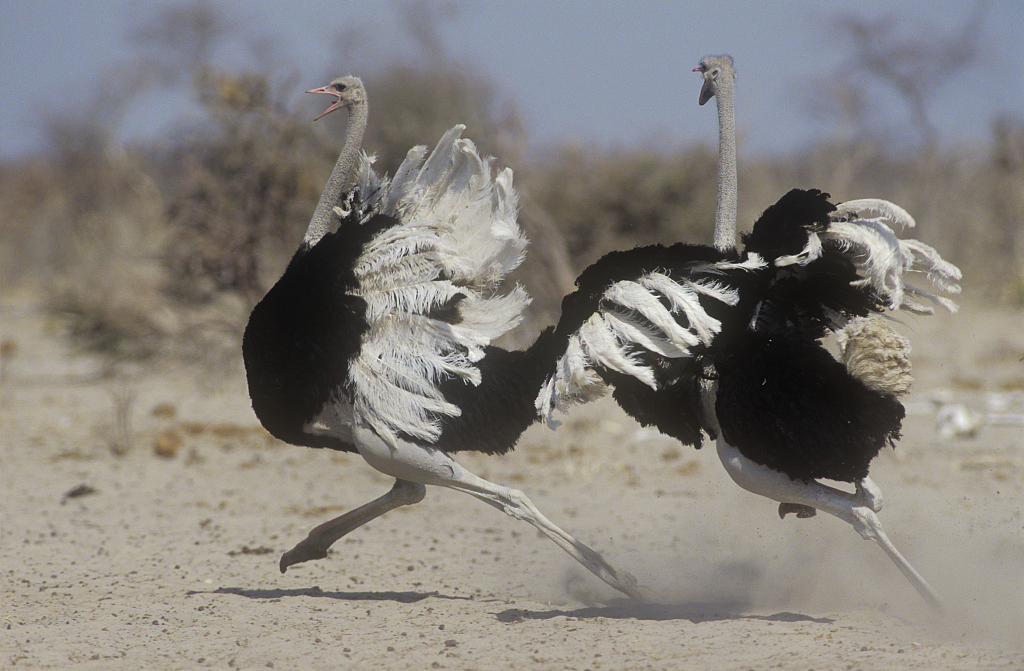
最も有名な誤解は、ダチョウが危険を感じると頭を砂に埋めるというものです。これは完全に誤りです。実際には、巣の手入れや卵の回転のために頭を下げている姿が誤解されたものです。
The most famous misconception is that ostriches bury their heads in sand when sensing danger. This is completely false. Actually, lowering their heads for nest maintenance or egg rotation has been misinterpreted.
他の神話には、ダチョウが愚かであるというものがありますが、実際には適度な知能を持つ適応力のある動物です。
Other myths include ostriches being stupid, when they are actually adaptable animals with moderate intelligence.
第19章:ダチョウ観光と教育 | Chapter 19: Ostrich Tourism and Education
世界中の多くの農場や動物園がダチョウ観光を提供しています。訪問者は、これらの驚くべき鳥について学び、時には餌やりや卵の見学もできます。
Many farms and zoos worldwide offer ostrich tourism. Visitors can learn about these amazing birds and sometimes participate in feeding or egg viewing.
教育プログラムは、ダチョウの生態、保全の重要性、持続可能な農業実践について啓発します。子供たちに自然への関心を育む良い機会です。
Educational programs raise awareness about ostrich ecology, conservation importance, and sustainable farming practices. They provide excellent opportunities to foster children’s interest in nature.
第20章:ダチョウの未来 | Chapter 20: The Future of Ostriches
ダチョウの未来は、保全努力と持続可能な養殖実践にかかっています。野生個体群の保護には、生息地の保全と密猟対策が不可欠です。
The future of ostriches depends on conservation efforts and sustainable farming practices. Protecting wild populations requires habitat preservation and anti-poaching measures.
養殖産業は、動物福祉基準の向上と環境に優しい実践の採用により、より持続可能になる可能性があります。ダチョウは人間社会において、食料源、繊維供給者、そして自然の驚異として重要な役割を果たし続けるでしょう。
The farming industry can become more sustainable through improved animal welfare standards and environmentally friendly practices. Ostriches will continue playing important roles in human society as food sources, fiber providers, and natural wonders.
あとがき | Afterword
ダチョウの世界を探求する旅はいかがでしたか。この雄大な鳥は、進化の驚異であり、適応力の象徴です。飛べなくても、時速70キロメートルで走ることができ、過酷な環境で繁栄しています。
How was your journey exploring the world of ostriches? These majestic birds are marvels of evolution and symbols of adaptability. Though flightless, they run at 70 kilometers per hour and thrive in harsh environments.
野生であれ養殖であれ、ダチョウは私たちの生態系と経済において重要な役割を果たしています。彼らの保全と持続可能な利用は、私たち全員の責任です。このブログが、ダチョウへの理解と感謝を深める一助となれば幸いです。
Whether wild or farmed, ostriches play vital roles in our ecosystems and economies. Their conservation and sustainable use are responsibilities we all share. I hope this blog has deepened your understanding and appreciation of ostriches.
ダチョウの素晴らしい世界に興味を持ち続け、彼らの未来を守るために行動しましょう。
Let us maintain interest in the wonderful world of ostriches and take action to protect their future.
SEOキーワード | SEO Keywords
ダチョウ、ostrich、走鳥類、ratite、飛べない鳥、flightless bird、アフリカ、Africa、サバンナ、savanna、ダチョウ養殖、ostrich farming、ダチョウの肉、ostrich meat、ダチョウの卵、ostrich egg、世界最大の鳥、world’s largest bird、ダチョウの革、ostrich leather、野生動物保全、wildlife conservation、ダチョウの生態、ostrich ecology、ダチョウの行動、ostrich behavior、地上最速の鳥、fastest running bird、ダチョウ製品、ostrich products、持続可能な農業、sustainable farming


コメント