- 前書き / Preface
- 第1章 世界が驚いた日本人 / Chapter 1: A People Who Astonished the World
- 第2章 貧しくとも満たされていた暮らし / Chapter 2: Poor Yet Fulfilled
- 第3章 笑顔の多い社会 / Chapter 3: A Smiling Society
- 第4章 時間に追われない生 / Chapter 4: Life Unchased by Time
- 第5章 自然と共に生きる / Chapter 5: Living with Nature
- 第6章 清潔という美徳 / Chapter 6: Cleanliness as a Virtue
- 第7章 礼儀は上下を超える / Chapter 7: Courtesy Beyond Rank
- 第8章 学びは生活の中に / Chapter 8: Learning in Daily Life
- 第9章 子どもは社会の宝 / Chapter 9: Children as Social Treasures
- 第10章 女性の自由 / Chapter 10: Women’s Quiet Freedom
- 第11章 争いを好まぬ気質 / Chapter 11: A Peace‑Loving Temperament
- 第12章 信仰は日常の中に / Chapter 12: Faith in Everyday Life
- 第13章 死を恐れすぎない / Chapter 13: Not Over‑Fearing Death
- 第14章 身体の使い方 / Chapter 14: The Use of the Body
- 第15章 働くことの意味 / Chapter 15: The Meaning of Work
- 第16章 芸能と遊び / Chapter 16: Arts and Play
- 第17章 外から見た日本 / Chapter 17: Japan Seen from Outside
- 第18章 近代化の代償 / Chapter 18: The Cost of Modernization
- 第19章 郷愁ではない / Chapter 19: Not Mere Nostalgia
- 第20章 現代へのヒント / Chapter 20: Hints for Today
- 第21章 逝きし世は今も生きる / Chapter 21: The Vanished Age Still Lives
- あとがき / Afterword
前書き / Preface
日本語
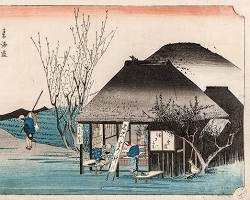
渡辺京二『逝きし世の面影』は、明治以前の日本人が持っていた生活感覚や精神の豊かさを、外国人の記録を通して描き出した名著である。本ブログでは、その核心を21章に分け、日英相互で紹介する。過去を懐かしむためではなく、現代を照らすために「逝きし世」を読む。
English
The Afterglow of a Vanished Age reveals the richness of pre‑modern Japanese life and spirit through foreign observers’ accounts. This blog presents its essence in 21 chapters, bilingually. We read the vanished age not to escape the present, but to illuminate it.
第1章 世界が驚いた日本人 / Chapter 1: A People Who Astonished the World
要旨(日) 素朴さと礼節が同居する日本人像。
Summary (EN) A harmony of simplicity and courtesy.
対話 / Dialogue (4 lines)
A: 昔の日本人はどんな印象だった?
B: 外国人は礼儀正しさに驚いた。
A: それは教育の成果?
B: 生活そのものが教育だった。
A: What impressed foreigners most?
B: The people’s courtesy.
A: Was it schooling?
B: Daily life itself taught manners.
語句メモ / Vocab courtesy, astonish, simplicity, daily life, observer
第2章 貧しくとも満たされていた暮らし / Chapter 2: Poor Yet Fulfilled
要旨(日) 物質より心の充足。
Summary (EN) Inner richness over material wealth.
対話
A: お金は少なかった?
B: でも不満は少なかった。
A: なぜ?
B: 比べる対象が少なかったから。
A: Were they poor?
B: Materially, yes.
A: Then unhappy?
B: Not at all.
語句メモ fulfillment, material, contentment, compare, modest
第3章 笑顔の多い社会 / Chapter 3: A Smiling Society
要旨(日) 笑いが日常にあった。
Summary (EN) Laughter woven into daily life.
対話
A: 写真を見ると皆笑っている。
B: 笑顔が自然だった。
A: 緊張が少ない?
B: 共同体が支えていた。
A: They look cheerful.
B: Smiles were natural.
A: Less stress?
B: Community support.
語句メモ laughter, community, cheerful, support, natural
第4章 時間に追われない生 / Chapter 4: Life Unchased by Time
要旨(日) ゆるやかな時間感覚。
Summary (EN) A slower sense of time.
対話
A: 忙しくなかった?
B: 急ぐ必要がなかった。
A: 効率は?
B: 効率より調和。
A: No rush?
B: Little need to hurry.
A: Efficiency?
B: Harmony mattered more.
語句メモ time, hurry, efficiency, harmony, pace
第5章 自然と共に生きる / Chapter 5: Living with Nature
要旨(日) 自然は敵でなく仲間。
Summary (EN) Nature as a companion.
対話
A: 自然は厳しくなかった?
B: 畏れつつ親しんだ。
A: 支配しない?
B: 共生していた。
A: Was nature harsh?
B: Respected, not ruled.
A: Control?
B: Coexistence.
語句メモ nature, coexistence, respect, environment, harmony
第6章 清潔という美徳 / Chapter 6: Cleanliness as a Virtue
要旨(日) 清潔さは精神の表れ。
Summary (EN) Cleanliness reflected the mind.
対話
A: なぜそんなに清潔?
B: 心の秩序を保つため。
A: 習慣?
B: 美意識だ。
A: Why so clean?
B: For mental order.
A: Habit?
B: Aesthetic sense.
語句メモ cleanliness, virtue, order, aesthetic, habit
第7章 礼儀は上下を超える / Chapter 7: Courtesy Beyond Rank
要旨(日) 誰に対しても礼を尽くす。
Summary (EN) Respect regardless of status.
対話
A: 身分差は?
B: あったが礼は平等。
A: 本当に?
B: 外国人が証言している。
A: Class differences?
B: Courtesy crossed them.
A: Truly?
B: Foreigners said so.
語句メモ rank, equality, respect, testimony, class
第8章 学びは生活の中に / Chapter 8: Learning in Daily Life
要旨(日) 学校以前の教育。
Summary (EN) Education before schools.
対話
A: 読み書きは?
B: 庶民も学んでいた。
A: なぜ必要?
B: 生活に役立つから。
A: Literacy?
B: Common among people.
A: Why?
B: Useful in life.
語句メモ literacy, education, practical, learning, daily
第9章 子どもは社会の宝 / Chapter 9: Children as Social Treasures
要旨(日) 子を皆で育てる。
Summary (EN) Children raised by all.
対話
A: しつけは厳しい?
B: 見守る厳しさ。
A: 体罰は?
B: 少なかった。
A: Discipline harsh?
B: Gentle watchfulness.
A: Violence?
B: Rare.
語句メモ child, discipline, nurture, society, care
第10章 女性の自由 / Chapter 10: Women’s Quiet Freedom
要旨(日) 西洋と異なる自由。
Summary (EN) A different kind of freedom.
対話
A: 抑圧されていた?
B: 役割の中で自由だった。
A: 矛盾?
B: 文化の違い。
A: Oppressed?
B: Free within roles.
A: Paradox?
B: Cultural difference.
語句メモ women, freedom, role, culture, difference
第11章 争いを好まぬ気質 / Chapter 11: A Peace‑Loving Temperament
要旨(日) 暴力を避ける知恵。
Summary (EN) Wisdom to avoid violence.
対話
A: 喧嘩は?
B: 少なかった。
A: なぜ?
B: 和を尊んだから。
A: Fights?
B: Rare.
A: Why?
B: Valued harmony.
語句メモ peace, violence, harmony, temperament, wisdom
第12章 信仰は日常の中に / Chapter 12: Faith in Everyday Life
要旨(日) 特定宗教に縛られない信仰。
Summary (EN) Faith without dogma.
対話
A: 宗教心は強い?
B: 自然にあった。
A: 教義は?
B: 生活が教義。
A: Religious?
B: Naturally so.
A: Doctrine?
B: Life itself.
語句メモ faith, religion, daily, doctrine, belief
第13章 死を恐れすぎない / Chapter 13: Not Over‑Fearing Death
要旨(日) 死も生の一部。
Summary (EN) Death as part of life.
対話
A: 死は怖くない?
B: 受け入れていた。
A: なぜ?
B: 自然の循環。
A: Afraid of death?
B: Accepted it.
A: Why?
B: Natural cycle.
語句メモ death, acceptance, cycle, nature, life
第14章 身体の使い方 / Chapter 14: The Use of the Body
要旨(日) 身体感覚の鋭さ。
Summary (EN) Acute bodily awareness.
対話
A: 動きが美しい。
B: 日常が鍛錬。
A: 意識して?
B: 無意識に。
A: Graceful movement.
B: Daily training.
A: Conscious?
B: Unconscious.
語句メモ body, movement, awareness, training, grace
第15章 働くことの意味 / Chapter 15: The Meaning of Work
要旨(日) 労働は誇り。
Summary (EN) Work as pride.
対話
A: 働く理由は?
B: 生きる一部。
A: お金?
B: それだけではない。
A: Why work?
B: Part of life.
A: Money?
B: Not only.
語句メモ work, pride, labor, meaning, life
第16章 芸能と遊び / Chapter 16: Arts and Play
要旨(日) 遊びも文化。
Summary (EN) Play as culture.
対話
A: 娯楽は贅沢?
B: 生活の潤い。
A: 必要?
B: 心に必要。
A: Luxury?
B: Enrichment.
A: Needed?
B: For the heart.
語句メモ art, play, culture, entertainment, heart
第17章 外から見た日本 / Chapter 17: Japan Seen from Outside
要旨(日) 外国人の客観的視線。
Summary (EN) An external, objective gaze.
対話
A: なぜ外国人記録?
B: 偏見が少ない。
A: 完全?
B: だが貴重。
A: Why foreigners?
B: Fewer biases.
A: Perfect?
B: Still valuable.
語句メモ foreigner, perspective, objectivity, record, bias
第18章 近代化の代償 / Chapter 18: The Cost of Modernization
要旨(日) 失われたもの。
Summary (EN) What was lost.
対話
A: 近代化は善?
B: 得たものも失った。
A: 何を?
B: 心の余裕。
A: Modernization good?
B: Gains and losses.
A: Lost what?
B: Inner calm.
語句メモ modernization, loss, gain, cost, change
第19章 郷愁ではない / Chapter 19: Not Mere Nostalgia
要旨(日) 過去賛美ではない。
Summary (EN) Not blind praise of the past.
対話
A: 昔は良かった?
B: 単純ではない。
A: 目的は?
B: 現代への問い。
A: Past was better?
B: Not simply.
A: Aim?
B: Questioning today.
語句メモ nostalgia, praise, question, present, reflection
第20章 現代へのヒント / Chapter 20: Hints for Today
要旨(日) 今に活かす視点。
Summary (EN) Lessons for now.
対話
A: どう活かす?
B: 比較して考える。
A: 戻る?
B: 取り戻す。
A: How use it?
B: By comparison.
A: Go back?
B: Reclaim values.
語句メモ lesson, value, apply, compare, reclaim
第21章 逝きし世は今も生きる / Chapter 21: The Vanished Age Still Lives
要旨(日) 精神は受け継がれる。
Summary (EN) The spirit continues.
対話
A: もう消えた?
B: 心に残る。
A: どこに?
B: 私たちの選択に。
A: Gone forever?
B: Lives in us.
A: Where?
B: In our choices.
語句メモ spirit, legacy, choice, continuity, future
あとがき / Afterword
日本語
『逝きし世の面影』は、過去を美化する本ではない。私たちが当然と思っている価値観を相対化し、人間らしい生とは何かを静かに問いかける書である。本書を通して、現代に生きる私たち自身の姿を見つめ直す契機となれば幸いである。
English
The Afterglow of a Vanished Age does not idealize the past. It relativizes our assumptions and quietly asks what a truly human life is. May this book help us reflect on who we are today.
コメント