- 前書き / Preface
- 第1章 農家の息子から海軍士官へ Chapter 1: From Farmer’s Son to Naval Officer
- 第2章 空への憧れとアメリカ留学 Chapter 2: A Longing for the Sky and Study in America
- 第3章 中島飛行機の誕生 Chapter 3: The Birth of Nakajima Aircraft
- 第4章 「爆撃で戦争を終わらせる」という発想 Chapter 4: The Idea of Ending War through Bombing
- 第5章 十二試艦戦の過酷な要求 Chapter 5: Harsh Requirements for the 12-Shi Carrier Fighter
- 第6章 ゼロ戦の誕生と栄光 Chapter 6: The Birth and Glory of the Zero
- 第7章 ゼロ戦を作り続けた中島飛行機 Chapter 7: Nakajima Aircraft, the Producer of the Zero
- 第8章 巨大工場・小泉と空襲の影 Chapter 8: Giant Koizumi Factory and the Shadow of Air Raids
- 第9章 政治家・中島知久平 Chapter 9: Nakajima as a Politician
- 第10章 ゼロ戦の限界と特攻 Chapter 10: The Limits of the Zero and Kamikaze Attacks
- 第11章 敗戦後の中島と企業の系譜 Chapter 11: Postwar Nakajima and the Company’s Legacy
- 第12章 ゼロ戦から学ぶもの Chapter 12: Lessons from the Zero
- あとがき / Afterword
前書き / Preface
飛行機が空を自由に飛ぶ姿には、不思議な魅力があります。
しかし、その美しいシルエットの裏には、必ず人間の物語があります。
本ブログでは、「ゼロ戦(零式艦上戦闘機)」の陰にいた一人の男、中島知久平に光を当てます。
彼は1884年、現在の群馬県太田市にあたる農村に生まれ、日本海軍の士官となり、やがて日本初の本格的な航空機メーカー「中島飛行機」を創業しました。
ゼロ戦の設計そのものは三菱と堀越二郎の仕事として知られていますが、中島飛行機はゼロ戦のエンジンをつくり、大量生産を支えた重要な存在でした。
また中島は、政治家としても活動し、アメリカとの戦争に反対し、その工業力を恐れた現実的な一面も持っていました。
このブログでは、年号や数字だけの歴史ではなく、「一人の技術者の夢と迷い、戦争と平和」という人間ドラマとしてのゼロ戦の物語を、日英対訳で紹介していきます。
英語表現の学習素材としても楽しみながら、空に賭けた人々の物語を、一緒にたどっていきましょう。
There is something fascinating about the way airplanes move freely across the sky.
Yet behind their beautiful silhouettes, there are always human stories.
In this blog, we focus on one man who stood in the shadow of the Zero fighter:
Born in 1884 in a rural village that is now part of Ōta City in Gunma Prefecture, he became a naval officer and later founded Nakajima Aircraft, Japan’s first full-scale aircraft manufacturer.
The design of the Zero itself is known as the work of Mitsubishi and its chief engineer Jiro Horikoshi, but Nakajima’s company built its engines and supported its mass production.
Nakajima also entered politics and opposed a war with the United States, fearing its enormous industrial power.
This blog does not simply list dates and figures; instead, it tells the story of the Zero as a human drama about one engineer’s dreams and doubts, and about war and peace, presented in Japanese–English parallel text.
I hope you will enjoy it not only as English practice material but also as a journey through the stories of people who bet their lives on the sky.
第1章 農家の息子から海軍士官へ Chapter 1: From Farmer’s Son to Naval Officer
中島知久平は1884年、現在の群馬県太田市にあたる新田郡の農家の息子として生まれました。
当時の日本は明治維新からまだ日が浅く、「富国強兵」を掲げて急速に近代化を進めていた時代でした。
農村に生まれた若い中島は、軍人という都会的で近代的なキャリアに強い憧れを抱きます。
やがて彼は海軍兵学校を経て技術系の将校となり、日本の近代化の最前線に身を置くことになります。
Chikuhei Nakajima was born in 1884 as the son of a farming family in Nitta District, which is now part of Ōta City in Gunma Prefecture.
Japan at that time was still in the early years after the Meiji Restoration and was rapidly modernizing under the slogan “Enrich the country, strengthen the army.”
Growing up in a rural community, young Nakajima developed a strong desire for the modern and urban career of a military officer.
He eventually graduated from the Imperial Japanese Naval Academy and became a technical officer, placing himself on the front line of Japan’s modernization.
A: 中島知久平って、最初はただの農家の息子だったんだよね?
B: そう。群馬の農村から出て、海軍の技術士官にまでなったんだ。
A: すごいジャンプアップだね。
B: うん。そのキャリアが、あとで飛行機づくりへの道を開いていくんだ。
A: I heard Chikuhei Nakajima started out as just a farmer’s son. Is that true?
B: Yes. He left a rural village in Gunma and rose to become a technical officer in the navy.
A: That’s quite a jump in status.
B: It is, and that career later opened the door to aircraft manufacturing for him.
farming family:農家の家
modernization:近代化
rural community:農村社会
military officer:軍の将校
technical officer:技術系の将校
第2章 空への憧れとアメリカ留学 Chapter 2: A Longing for the Sky and Study in America
海軍技術将校として働いていた中島は、やがて「空を飛ぶ機械」への関心を強めていきます。
当時、飛行機はまだ新しい技術であり、日本には十分な経験や情報がありませんでした。
中島は、最新の航空技術を学ぶため、アメリカに派遣され、そこで実際に飛行訓練を受ける機会を得ます。
彼はパイロットの資格を取得し、「自分の国にも、世界に負けない飛行機産業をつくりたい」と強く心に誓いました。
Working as a naval technical officer, Nakajima gradually developed a deep interest in “machines that could fly in the sky.”
At that time, airplanes were a new technology, and Japan lacked sufficient experience and information.
To study the latest aviation technology, Nakajima was sent to the United States, where he had a chance to receive actual flight training.
He obtained a pilot’s license and made a strong personal vow to build an aviation industry in Japan that could stand up to the rest of the world.
A: 中島って、戦闘機のエンジニアになる前にパイロットでもあったんだ?
B: そうだよ。アメリカで飛行訓練を受けて、パイロットライセンスも取っているんだ。
A: 空を実際に飛んだからこそ、いい飛行機をつくろうと思えたのかもね。
B: まさにそう。その体験が、日本の航空機産業への情熱につながっていったんだ。
A: So Nakajima was a pilot before he became a fighter aircraft engineer?
B: Yes. He trained in the United States and even earned a pilot’s license.
A: Maybe experiencing flight himself made him want to build better airplanes.
B: Exactly. That experience fed his passion for creating an aviation industry in Japan.
aviation technology:航空技術
flight training:飛行訓練
pilot’s license:パイロット資格
be sent to ~:〜に派遣される
stand up to the rest of the world:世界に負けない
第3章 中島飛行機の誕生 Chapter 3: The Birth of Nakajima Aircraft
アメリカから帰国した中島は、「日本にも自前の航空機産業が必要だ」と確信するようになります。
彼は海軍を辞め、1910年代に民間の航空機メーカーを立ち上げる決断をします。
これが、のちに日本最大の航空機メーカーへと成長する「中島飛行機」の始まりでした。
最初は小さな工場と限られた資金しかありませんでしたが、彼の情熱と技術への執念が、多くの仲間を引き寄せていきました。
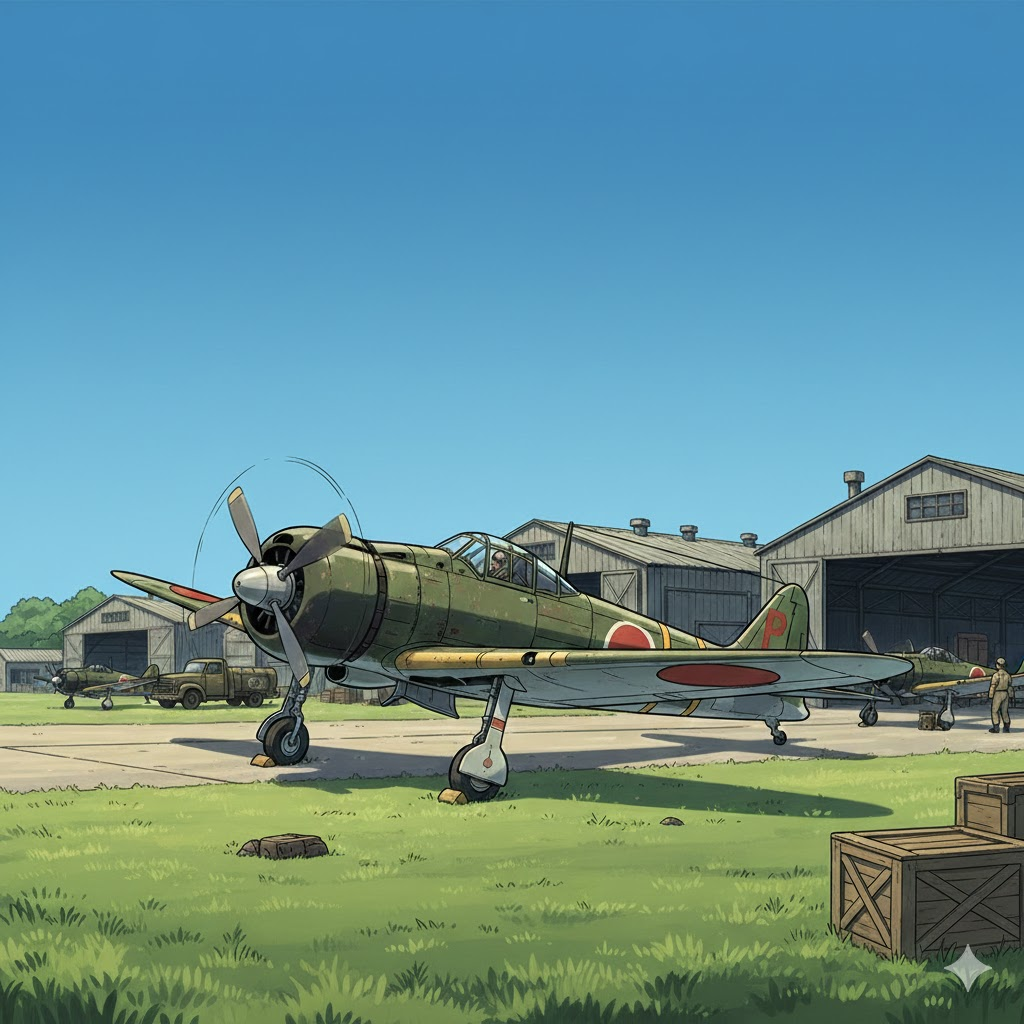
After returning from the United States, Nakajima became convinced that Japan needed its own independent aviation industry.
He left the navy and decided to start a private aircraft manufacturer in the 1910s.
This was the beginning of Nakajima Aircraft, which would later grow into Japan’s largest aircraft company.
At first, he had only a small factory and limited funds, but his passion and determination for technology attracted many colleagues and engineers.
A: 軍を辞めて会社をつくるって、かなりリスキーな決断だよね。
B: そうだね。でも、中島は「日本に本気の航空機メーカーをつくる」と腹をくくったんだ。
A: 小さな工場から始まって、日本最大級のメーカーになるなんてすごい。
B: 夢を本気で追いかけた人のストーリーって、やっぱり心を打つよね。
A: Leaving the navy to start a company sounds like a pretty risky decision.
B: It was, but Nakajima was determined to build a serious aircraft manufacturer in Japan.
A: It’s amazing that his small factory later became the largest aircraft maker in the country.
B: Stories of people who seriously chase their dreams are always inspiring.
independent aviation industry:自前の航空機産業
aircraft manufacturer:航空機メーカー
limited funds:限られた資金
determination:決意/執念
inspiring:心を打つ,刺激を与える
第4章 「爆撃で戦争を終わらせる」という発想 Chapter 4: The Idea of Ending War through Bombing
A: 「爆撃で戦争を早く終わらせる」という考え方、今から聞くとすごく危険に感じるね。
B: 当時は「長引く戦争よりはましだ」と考えた人もいたけれど、その発想自体が戦争を前提にしているのが悲しいところだよね。
A: The idea of “ending war quickly through bombing” sounds very dangerous to us today.
B: Some people back then thought it was better than a long war, but the sad part is that such thinking assumes war as a given.
第5章 十二試艦戦の過酷な要求 Chapter 5: Harsh Requirements for the 12-Shi Carrier Fighter
日本海軍は、次世代の艦上戦闘機として「十二試艦上戦闘機」の計画を立ち上げました。
その要求は、当時としては非常識なほど厳しいもので、長大な航続距離、高い上昇力と運動性、そして驚くほどの軽量化が求められていました。
中島飛行機はこの要求を「現実的ではない」と判断し、設計競争から撤退します。一方で、三菱はあえてこの難題に挑戦する道を選びました。
この決断が、のちに「ゼロ戦=三菱、しかしエンジンと大量生産は中島」という複雑な関係を生むことになります。
The Imperial Japanese Navy launched a program for its next-generation carrier-based fighter, known as the 12-Shi carrier fighter.
The required specifications were extremely demanding for the time, calling for an exceptionally long range, high climb rate and maneuverability, and an astonishing degree of weight reduction.
Nakajima Aircraft judged these demands to be unrealistic and withdrew from the design competition, while Mitsubishi chose to take on the challenge.
This decision would later create the complex relationship in which the Zero was designed by Mitsubishi but powered and mass-produced largely by Nakajima.
A: こんな無茶な要求、本当に実現できるの?ってレベルだね。
B: 中島は「無理だ」と判断して撤退したけど、三菱はあえて挑戦したんだ。
A: その結果、設計は三菱、エンジンと大量生産は中島っていう、不思議な関係になったわけか。
B: そう考えると、一つの戦闘機にも、いろんな会社や人のドラマが詰まっているんだね。
A: Those requirements sound almost impossible to meet.
B: Nakajima decided they were unrealistic and pulled out, but Mitsubishi chose to accept the challenge.
A: So in the end, Mitsubishi did the design, while Nakajima provided the engine and mass production. That’s an interesting relationship.
B: It shows how many different companies and people can be involved in a single fighter aircraft.
requirements:要求仕様
maneuverability:運動性
lightweight:軽量の
long range:長い航続距離
specification:仕様
第6章 ゼロ戦の誕生と栄光 Chapter 6: The Birth and Glory of the Zero
三菱が設計したA6M零式艦上戦闘機は、試作機の段階から従来機を大きくしのぐ性能を示しました。
長大な航続距離と高い運動性、そして軽快な操縦性によって、ゼロ戦は日中戦争後期から太平洋戦争序盤にかけて、連合軍機を圧倒します。
当時の連合軍パイロットの中には、「ゼロと正面からドッグファイトをしてはいけない」と教えられていた者もいたといわれます。
しかし、のちにこの軽さと防御力の薄さが、弱点として表面化していくことになります。
The Mitsubishi A6M Zero fighter demonstrated performance that far exceeded existing fighters even in its prototype stage.
With its long range, excellent maneuverability, and light handling, the Zero dominated Allied aircraft from the late stages of the war in China through the early Pacific War.
It is said that some Allied pilots were specifically taught not to engage the Zero in a turning dogfight.
However, its light weight and lack of protection would later surface as serious weaknesses.
A: 当時の連合軍パイロットは、ゼロ戦を見るとかなり怖かっただろうね。
B: 軽くてよく曲がって、しかも遠くまで飛べる戦闘機なんて、当時は他にほとんどなかったからね。
A: でも、その「軽さ」が、あとで弱点になるっていうのが皮肉だな。
B: そう、攻撃力を優先したぶん、防御が犠牲になってしまったんだ。
A: Allied pilots must have been really afraid when they saw a Zero back then.
B: There were hardly any other fighters at the time that were so light, agile, and long-ranged.
A: It’s ironic that the very lightness that gave it strength later became a weakness.
B: Yes, focusing on offensive performance meant sacrificing protection.
initial success:初期の成功
dominate the skies:制空権を握る
maneuverable:機動性に優れた
turning dogfight:旋回戦
weakness:弱点
第7章 ゼロ戦を作り続けた中島飛行機 Chapter 7: Nakajima Aircraft, the Producer of the Zero
十二試艦戦の設計競争からは撤退した中島飛行機でしたが、その後もゼロ戦と無関係になったわけではありませんでした。
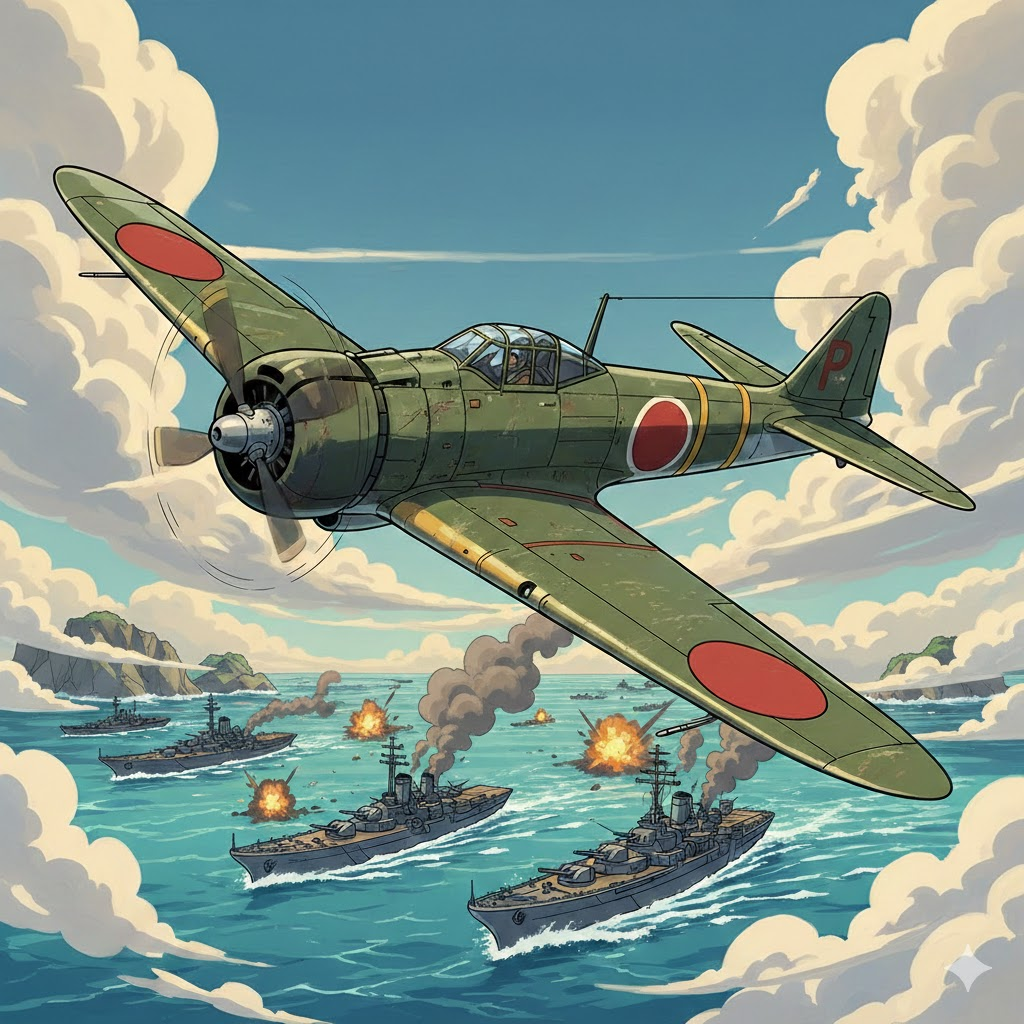
三菱が設計したA6M零式艦上戦闘機には、中島が開発した「栄」エンジンが搭載され、多くの機体は中島の工場でもライセンス生産されました。
栄エンジンは、軽量でコンパクトな空冷星形エンジンで、ゼロ戦の長大な航続距離とすぐれた上昇性能を支える「心臓部」でした。
中島飛行機は、群馬県小泉工場などの巨大工場で、ゼロ戦をはじめとする多くの軍用機を大量生産する体制を築いていきます。
Although Nakajima Aircraft withdrew from the design competition for the Navy’s 12-Shi carrier fighter, it did not become unrelated to the Zero afterwards.
The Mitsubishi A6M Zero fighter was powered by the Nakajima-designed Sakae engine, and many Zero airframes were built under license at Nakajima’s factories.
The Sakae was a lightweight, compact air-cooled radial engine that served as the “heart” of the Zero, supporting its long range and excellent climb performance.
Nakajima Aircraft built a mass-production system at huge plants such as the Koizumi factory in Gunma Prefecture, turning out large numbers of military aircraft including the Zero.
A: ゼロ戦って三菱の飛行機ってイメージだけど、中島も深く関わっていたんだね。
B: そう。エンジンは中島の「栄」だし、機体も中島の工場でたくさん作られていたんだよ。
A: 設計からは撤退したのに、生産の主力になっていたって、なんだかドラマチックだな。
B: 表に出ないけれど、こういう「縁の下の力持ち」があってこそ名機が生まれるんだと思う。
A: I always thought of the Zero as a Mitsubishi plane, but Nakajima was deeply involved too.
B: Yes. It used Nakajima’s Sakae engine, and many airframes were manufactured at Nakajima factories.
A: It’s kind of dramatic that they withdrew from the design but became a key producer.
B: Exactly. Legendary machines are often supported by people working behind the scenes like that.
design competition:設計競争
be powered by ~:〜を動力とする
air-cooled radial engine:空冷星形エンジン
mass-production system:大量生産体制
behind the scenes:表に出ないところで
第8章 巨大工場・小泉と空襲の影 Chapter 8: Giant Koizumi Factory and the Shadow of Air Raids
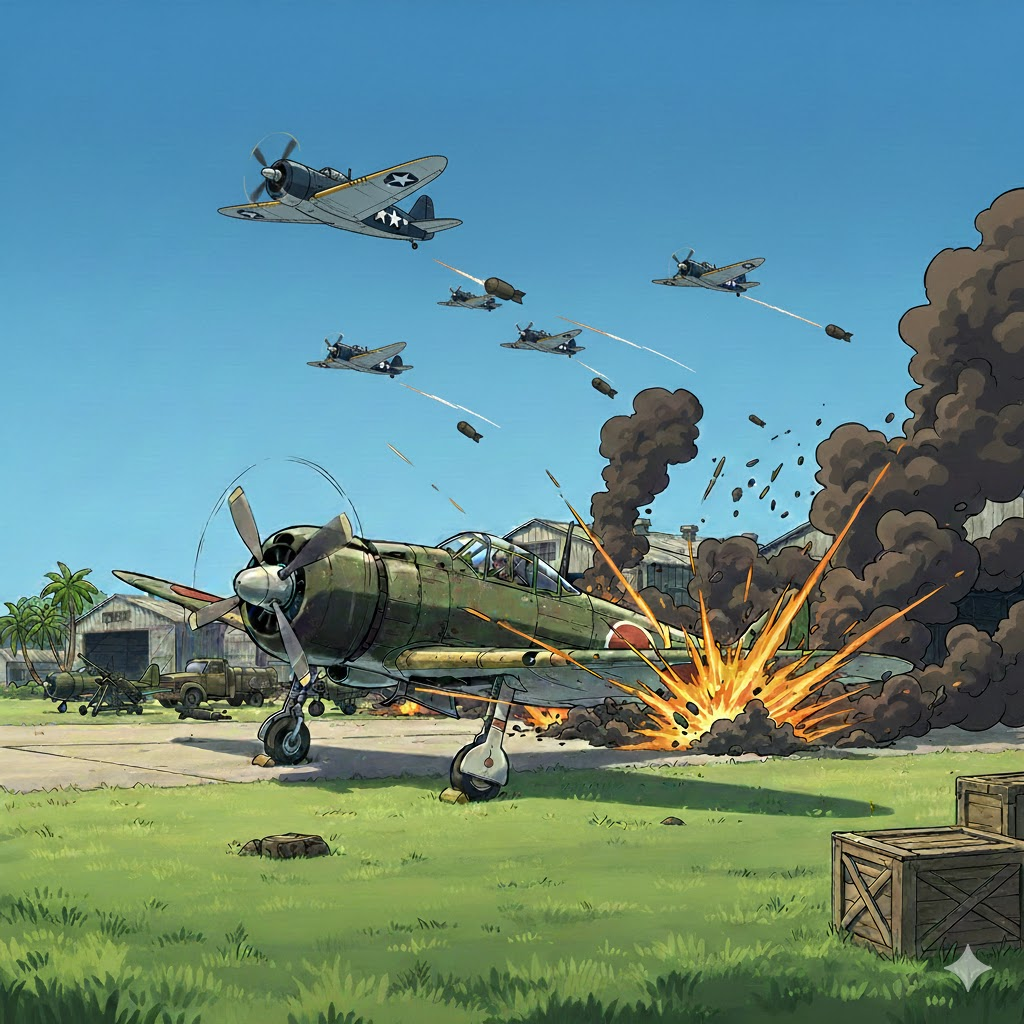
中島飛行機の小泉工場は、当時の日本でも最大級の航空機工場として知られていました。
ここではゼロ戦をはじめ、多くの陸海軍機が生産され、工場周辺の町そのものが「飛行機とともに生きるコミュニティ」となっていきます。
しかし戦争が長引くにつれて、資材不足や燃料不足、熟練工の召集などにより、生産現場には大きな負担がのしかかりました。
やがてアメリカ軍の空襲が激しくなり、工場や周辺地域も大きな被害を受けることになります。
Nakajima’s Koizumi plant was known as one of the largest aircraft factories in Japan at the time.
Many Army and Navy aircraft, including the Zero, were produced there, and the surrounding town became a community that “lived together with airplanes.”
As the war dragged on, however, shortages of materials and fuel, as well as the drafting of skilled workers, placed a heavy burden on the production lines.
Eventually, as American air raids intensified, the factory and nearby areas suffered heavy damage.
A: 工場で働いていた人たちも、戦争の重さをずっと感じていたんだろうね。
B: うん。空を支えたのはパイロットだけじゃなくて、こうした工員や家族たちでもあったんだと思う。
A: The people working in those factories must have felt the weight of the war every day.
B: Yes. It wasn’t just the pilots who supported the air war, but also the workers and their families.
factory workers:工場労働者
air raids:空襲
material shortages:資材不足
production quotas:生産ノルマ
suffer damage:被害を受ける
第9章 政治家・中島知久平 Chapter 9: Nakajima as a Politician
中島知久平は、企業経営者であると同時に政治家としても活動しました。
彼は鉄道大臣などの要職に就き、日本のインフラ整備や産業政策に影響を与えました。
一方で、アメリカとの全面戦争には強い懸念を抱き、その工業力の差を理由に対米戦に反対していたと伝えられています。
彼の警告は十分に生かされず、日本はやがて太平洋戦争という大きな賭けに踏み出していきました。
Chikuhei Nakajima was not only a business leader but also an active politician.
He served in key government positions such as Railway Minister, influencing Japan’s infrastructure development and industrial policy.
At the same time, he strongly opposed a full-scale war against the United States, citing the vast gap in industrial power between the two countries.
His warnings were not fully heeded, and Japan eventually took the tremendous gamble of entering the Pacific War.
A: 軍の中から、戦争にブレーキをかけようとした人もいたんだね。
B: うん。でも、そうした現実的な声は、当時の空気の中ではかき消されてしまいやすかったんだと思う。
A: It’s interesting that some people inside the system tried to slow down the rush to war.
B: Yes, but in that atmosphere, realistic voices like his were easily drowned out.
Cabinet minister:閣僚
Railway Minister:鉄道大臣
industrial power:工業力
warn against war:戦争に警鐘を鳴らす
be heeded:耳を傾けられる
第10章 ゼロ戦の限界と特攻 Chapter 10: The Limits of the Zero and Kamikaze Attacks
ゼロ戦は登場当初こそ「無敵の戦闘機」として恐れられましたが、戦争が進むにつれ、次々と登場する新型連合軍機との差が目立つようになりました。
ゼロ戦には十分な装甲や自動防漏タンクがなく、被弾すると炎上しやすいという致命的な弱点がありました。
後半になると、ゼロ戦は制空戦闘だけでなく、本土防空や特攻攻撃にも投入され、多くの若いパイロットの命が失われました。
初期の「軽くて強い戦闘機」という設計思想が、総力戦の現実の中で限界を露わにしていったのです。
The Zero was feared as an “invincible fighter” when it first appeared, but as the war went on, the gap with new Allied fighters became increasingly apparent.
The Zero lacked sufficient armor protection and self-sealing fuel tanks, making it highly vulnerable to catching fire when hit.
In the latter stages of the war, the Zero was used not only for air superiority missions but also for homeland defense and kamikaze attacks, costing the lives of many young pilots.
The original design philosophy of a light and agile fighter had reached its limits in the harsh reality of total war.
A: 最初は無敵に見えたゼロ戦も、時代の変化には勝てなかったんだね。
B: うん。相手の性能が上がっていく中で、防御の弱さがどんどん致命的になっていったんだ。
A: その行き着く先が特攻だったと考えると、とても複雑な気持ちになる。
B: 技術の話だけでは語れない、重い現実がそこにはあるよね。
A: Even the “invincible” Zero couldn’t keep up with the changing times.
B: Right. As enemy performance improved, its poor protection became increasingly fatal.
A: Thinking that this path ultimately led to kamikaze attacks gives me very mixed feelings.
B: There is a heavy reality there that cannot be explained by technology alone.
armor protection:装甲防御
self-sealing fuel tank:自動防漏タンク
technological gap:技術的な差
kamikaze missions:特攻作戦
total war:総力戦
第11章 敗戦後の中島と企業の系譜 Chapter 11: Postwar Nakajima and the Company’s Legacy
日本の敗戦後、中島知久平は戦争責任の問題もからみ、公職追放の対象となりました。
中島飛行機も財閥解体の流れの中で分割され、その技術と人材は、のちの富士重工業(現在のSUBARU)などへと受け継がれていきます。
戦闘機をつくっていた企業が、やがて自動車や民間機をつくるメーカーへと姿を変えていったことは、戦後日本の歩みを象徴しているともいえます。
中島本人の人生は波乱に満ちていましたが、彼が築いた技術基盤は、平和な時代の産業にも静かに生き続けました。
After Japan’s defeat, Chikuhei Nakajima was purged from public office as part of the process of assigning wartime responsibility.Nakajima Aircraft was dissolved in the wave of zaibatsu breakup, and its technology and personnel were carried on by companies such as Fuji Heavy Industries, later known as SUBARU.
The fact that a company that once built fighters later became a manufacturer of automobiles and civilian aircraft can be seen as symbolic of Japan’s postwar path.
Though Nakajima’s personal life was full of ups and downs, the technological foundation he helped create continued quietly in peacetime industries.
A: 戦後も、技術や人材の流れは途切れずに続いていったんだね。
B: うん。戦闘機をつくっていた工場が、やがて車や民間機をつくる場所になっていったのは、ある意味で救いでもある気がする。
A: So even after the war, the flow of technology and people did not stop.
B: Right. In a way, it’s comforting that factories which once built fighters later produced cars and civilian aircraft.
purged from public office:公職追放される
zaibatsu dissolution:財閥解体
corporate reorganization:企業再編
legacy:遺産,受け継がれたもの
postwar industry:戦後産業
第12章 ゼロ戦から学ぶもの Chapter 12: Lessons from the Zero
ゼロ戦と中島知久平の物語には、「技術」と「倫理」の難しい関係が色濃く表れています。
軽さと性能を追求した設計は、多くのパイロットを守る防御力を犠牲にしました。
戦争という極限状態の中では、「敵より少しでも強い兵器をつくること」が正義のように見えてしまうことがあります。
しかし、私たちは歴史を振り返ることで、その技術がどのように使われ、どんな結果を生んだのかを冷静に見つめ直すことができます。
同じ技術が、戦争の道具にも、平和な暮らしを支える道具にもなり得るという事実は、現代の私たちにとっても重要な問いかけです。
The story of the Zero and Chikuhei Nakajima vividly reflects the difficult relationship between technology and ethics.
The design that pursued lightness and performance sacrificed the protection that could have saved many pilots’ lives.
In the extreme situation of war, building weapons that are “slightly better than the enemy’s” can look like a kind of justice.
By looking back on history, however, we can calmly re-examine how that technology was used and what consequences it brought.
The fact that the same technology can serve as a tool of war or as a support for peaceful everyday life poses an important question for all of us today.
A: 技術そのものは、良いとか悪いとかいうものじゃないのかもしれないね。
B: そうだね。どう使うか、何のために使うかを選ぶのは、いつも人間なんだと思う。
A: Maybe technology itself is neither good nor bad.
B: I agree. It is always humans who decide how to use it and for what
trade-off:トレードオフ,両立しない関係
ethics of technology:技術の倫理
dual-use:軍民両用
responsibility:責任
lessons learned:そこから得られた教訓
あとがき / Afterword
「ゼロ戦」という名前を聞くと、多くの人は「伝説の名機」や「特攻」というイメージを思い浮かべるかもしれません。
しかし、その背後には、失敗を重ねながら新しい技術に挑んだ技術者たちや、戦争の行方に苦悩した政治家たちの姿がありました。
中島知久平はゼロ戦の設計者ではありませんでしたが、そのエンジンと大量生産体制を支え、日本の航空技術の発展に大きな役割を果たしました。
同時に彼は、アメリカとの戦争に反対し、その工業力と空軍力を恐れた現実的な政治家でもありました。
技術は、人を傷つける道具にも、人を助ける手段にもなり得ます。
だからこそ、私たちは過去の物語から、「同じ過ちを繰り返さないための知恵」を学び続ける必要があります。
この日英対訳ブログが、英語学習の助けになると同時に、空と戦争、そして平和について考える小さなきっかけになれば幸いです。
When people hear the word “Zero fighter,” many may think of a “legendary warplane” or “kamikaze attacks.”
Yet behind that image stood engineers who kept challenging new technologies through repeated failures, and politicians who struggled with the course of the war.
Chikuhei Nakajima was not the designer of the Zero, but he played a major role in Japan’s aviation development by providing its engines and supporting its mass production.
At the same time, he was a realistic politician who opposed a war with the United States and feared its industrial and air power.
Technology can become a tool to harm people or a means to help them.
That is why we must keep learning from past stories and gaining the wisdom not to repeat the same mistakes.
I hope this Japanese–English blog will support your English learning and also serve as a small opportunity to think about the sky, war, and peace.
コメント