
前書き・Preface
日本語
ヨモギは、日本で古くから親しまれてきた野草の一つです。
春になると野原や道ばたに自然に生え、草餅や団子などの料理にも使われます。
そのヨモギを乾燥させて作る「ヨモギ茶」は、昔から健康のために飲まれてきました。
特に体を温めたり、血流を整える働きがあるといわれています。
近年では、健康志向の高まりとともに、自然由来のハーブティーが世界中で人気になっています。
その中でもヨモギ茶は、日本の伝統的な薬草茶として注目されています。
この記事では、ヨモギ茶の歴史、健康効果、作り方、文化的背景などを、会話形式でわかりやすく紹介します。
English
Mugwort is one of the wild herbs that has been loved in Japan for centuries.
In spring, it grows naturally in fields and along roadsides and is often used in foods such as rice cakes and dumplings.
Tea made from dried mugwort has long been consumed for health.
It is believed to warm the body and improve blood circulation.
In recent years, herbal teas made from natural plants have become popular around the world.
Among them, mugwort tea is gaining attention as a traditional Japanese herbal drink.
In this article, we will explore the history, health benefits, preparation methods, and cultural background of mugwort tea through easy dialogues.
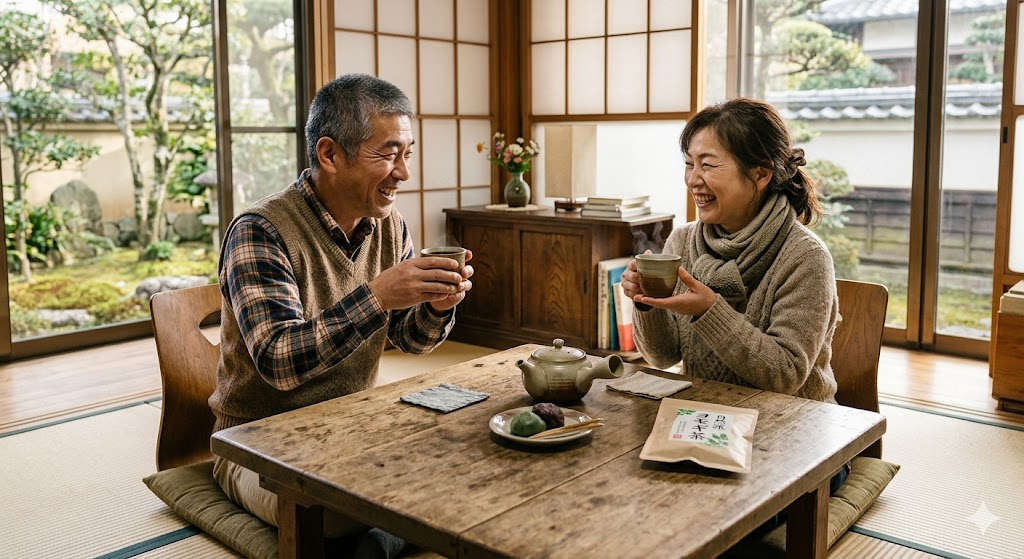
第1章 ヨモギとは何か Chapter 1 What is Mugwort?
楽天市場本文(日本語)
ヨモギは、日本全国に自生する野草の一つです。
春になると野原や山道、川辺などでよく見かける植物です。
ヨモギはキク科の植物で、強い生命力を持っています。
そのため、日本では古くから食用や薬草として利用されてきました。
特に若い葉は香りが良く、料理にも使われます。
また乾燥させることで、お茶として飲むこともできます。
ヨモギは日本だけでなく、アジアやヨーロッパでも薬草として知られています。
English Translation
Mugwort is one of the wild herbs that grow naturally throughout Japan.
In spring, it can often be seen in fields, mountain paths, and along rivers.
Mugwort belongs to the daisy family and has strong vitality.
For this reason, it has long been used in Japan as both food and a medicinal herb.
Young leaves in particular have a pleasant aroma and are used in cooking.
When dried, they can also be enjoyed as herbal tea.
Mugwort is known not only in Japan but also in Asia and Europe as a medicinal plant.
Dialogue
A: ヨモギってどんな植物?
What kind of plant is mugwort?
B: 日本では昔から薬草として使われてきたよ。
In Japan, it has been used as a medicinal herb for centuries.
A: 野原によく生えているよね。
I often see it growing in fields.
B: そう、春になるとたくさん見つかるよ。
Yes, you can find a lot of it in spring.
A: お茶にもできるんだね。
So it can be made into tea?
B: 乾燥させると香りの良いハーブティーになるよ。
When dried, it becomes a fragrant herbal tea.
語句メモ
mugwort:ヨモギ
wild herb:野草
medicinal herb:薬草
vitality:生命力
daisy family:キク科

第2章 ヨモギの歴史 Chapter 2 History of Mugwort
本文(日本語)
ヨモギは、日本の歴史の中で非常に重要な薬草の一つでした。
古代から人々はヨモギを健康のために利用してきました。
奈良時代や平安時代の文献にも、ヨモギの記録が残っています。
また、ヨモギは魔除けとしても使われていました。
端午の節句には、ヨモギを使った草餅を食べる習慣があります。
これは健康を願う伝統文化の一つです。
ヨモギは単なる野草ではなく、日本文化の一部なのです。
English Translation
Mugwort has been one of the most important medicinal herbs in Japanese history.
People have used it for health since ancient times.
Records of mugwort can be found in documents from the Nara and Heian periods.
It was also believed to ward off evil spirits.
During the Boys’ Festival in May, people eat rice cakes made with mugwort.
This is a traditional custom wishing for good health.
Mugwort is not just a wild plant but a part of Japanese culture.
Dialogue
A: ヨモギはいつから使われているの?
Since when has mugwort been used?
B: 日本では古代から使われているよ。
It has been used in Japan since ancient times.
A: 食べ物にも使われるの?
Is it used in food?
B: 草餅や団子に使われるよ。
It is used in rice cakes and dumplings.
A: 健康にも良さそうだね。
It sounds healthy.
B: 昔の人は薬としても使っていたんだ。
People in the past used it as medicine.
語句メモ
ancient times:古代
document:文献
ward off:追い払う
custom:習慣
第3章 ヨモギ茶の作り方 Chapter 3 How to Make Mugwort Tea
本文(日本語)
ヨモギ茶はとても簡単に作ることができます。
基本的にはヨモギの葉を乾燥させてお湯を注ぐだけです。
まず新鮮なヨモギの葉を摘み取ります。
その後、よく洗ってから日陰で乾燥させます。
完全に乾燥したら保存容器に入れます。
飲むときはティーポットに入れてお湯を注ぎます。
自然の香りが広がる、優しい味のお茶になります。
English Translation
Mugwort tea is very easy to make.
Basically, you only need dried mugwort leaves and hot water.
First, pick fresh mugwort leaves.
Then wash them well and dry them in the shade.
Once completely dried, store them in a container.
When drinking, put them in a teapot and pour hot water over them.
The result is a gentle tea with a natural aroma.
Dialogue
A: ヨモギ茶はどうやって作るの?
How do you make mugwort tea?
B: ヨモギの葉を乾燥させるんだ。
You dry the mugwort leaves.
A: それから?
And then?
B: お湯を注ぐだけでお茶になるよ。
Just pour hot water over it.
A: 簡単だね。
That sounds easy.
B: とても自然なハーブティーだよ。
It’s a very natural herbal tea.
語句メモ
leaf:葉
shade:日陰
teapot:ティーポット
container:容器
第4章 ヨモギ茶の健康効果 Chapter 4 Health Benefits
本文(日本語)
ヨモギ茶は健康効果が期待できる飲み物として知られています。
特に体を温める働きがあると言われています。
また血流を改善する効果があるとされ、冷え性の人に人気があります。
さらにリラックス効果も期待されています。
自然の植物から作られるため、体に優しい飲み物です。
そのため健康習慣として飲む人も増えています。
English Translation
Mugwort tea is known as a drink with potential health benefits.
It is especially believed to warm the body.
It is also said to improve blood circulation, which makes it popular among people who feel cold easily.
In addition, it may have relaxing effects.
Because it is made from natural plants, it is gentle on the body.
For this reason, more people are drinking it as a healthy habit.
語句メモ
blood circulation:血流
warm:温める
health:健康
natural remedy:自然療法
第5章 ヨモギ茶とデトックス Chapter 5 Mugwort Tea and Detox
本文(日本語)
ヨモギは体を整えるハーブとして知られています。
そのため、ヨモギ茶にはデトックス効果があると言われることがあります。
デトックスとは、体の中の不要なものを排出することを意味します。
ヨモギには古くから体調を整える植物としての役割があると考えられてきました。
また、ヨモギは食物繊維や植物成分を含んでいるため、健康的な生活をサポートすると言われています。
自然のハーブティーとしてヨモギ茶を飲むことで、体のバランスを整える習慣を作ることができます。
ただし、健康効果については個人差があるため、過度な期待はせず、日々の食生活の一部として楽しむことが大切です。
English Translation
Mugwort is known as a herb that helps support the body.
For this reason, mugwort tea is sometimes said to have detox effects.
Detox refers to the process of removing unnecessary substances from the body.
Since ancient times, mugwort has been believed to help maintain physical balance.
Mugwort also contains dietary fiber and plant compounds that are thought to support a healthy lifestyle.
By drinking mugwort tea as a natural herbal drink, people can develop a habit of caring for their bodies.
However, health effects vary from person to person, so it is important to enjoy it as part of a balanced lifestyle rather than expecting dramatic results.
Dialogue
A: ヨモギはデトックスに良いって聞いたよ。
I heard mugwort is good for detox.
B: 体のバランスを整えると言われているよ。
It is said to help balance the body.
A: ハーブって面白いね。
Herbs are interesting.
B: 自然療法として昔から使われてきたんだ。
They have been used in natural remedies for centuries.
A: 毎日飲んでもいいの?
Can you drink it every day?
B: 適量なら大丈夫だよ。
Yes, if consumed in moderation.
語句メモ
detox:解毒
balance:バランス
dietary fiber:食物繊維
plant compound:植物成分
lifestyle:生活習慣
 | 【楽天ランキング2位】新芽よもぎ 粉末 150g 国産無農薬 新芽 送料無料 よもぎ茶 ヨモギ茶 乾燥 パウダー 青汁 クロロフィル 妊活 温活 乾燥よもぎ 体を温める オーガニック 価格:2980円 |

第6章 ヨモギの栄養 Chapter 6 Nutrients in Mugwort
本文(日本語)
ヨモギにはさまざまな栄養素が含まれています。
特にビタミンやミネラルが豊富であると言われています。
また、ヨモギには食物繊維も多く含まれています。
食物繊維は健康的な食生活を支える重要な要素の一つです。
さらに、ヨモギは古くから栄養価の高い植物として知られてきました。
そのため、草餅や天ぷらなどの料理にも利用されています。
自然の食材としてヨモギを取り入れることで、季節の恵みを感じることができます。
English Translation
Mugwort contains various nutrients.
It is particularly said to be rich in vitamins and minerals.
It also contains a considerable amount of dietary fiber.
Dietary fiber is an important element in maintaining a healthy diet.
Furthermore, mugwort has long been recognized as a nutritious plant.
For this reason, it is often used in foods such as rice cakes and tempura.
By incorporating mugwort into meals, people can enjoy the blessings of seasonal nature.
Dialogue
A: ヨモギには栄養があるの?
Does mugwort contain nutrients?
B: ビタミンやミネラルが豊富だよ。
It is rich in vitamins and minerals.
A: 健康に良さそうだね。
That sounds healthy.
B: 食物繊維も多いよ。
It also contains a lot of fiber.
A: すごい植物だね。
That’s an amazing plant.
B: 自然の栄養だね。
Yes, it’s natural nutrition.
語句メモ
nutrient:栄養
vitamin:ビタミン
mineral:ミネラル
fiber:食物繊維
nutrition:栄養価
第7章 春の野草文化 Chapter 7 Spring Wild Herb Culture
本文(日本語)
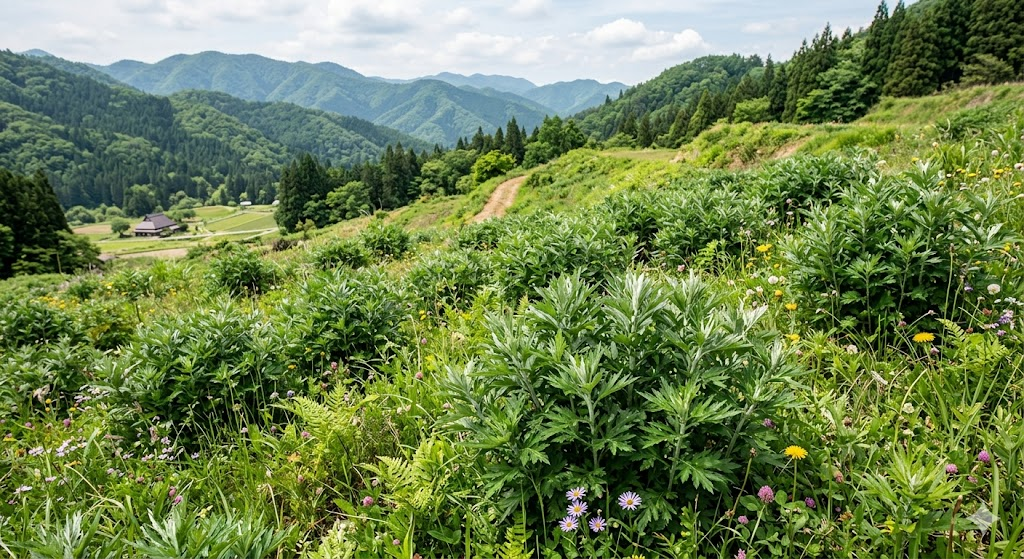
日本には春になると野草を食べる文化があります。
その代表的な例が「春の七草」です。
春の七草は一年の健康を願って食べられる伝統料理です。
ヨモギも春を代表する野草の一つです。
春の野原にはさまざまな野草が生えています。
人々は昔からそれらを食べ物や薬として利用してきました。
このような文化は、自然とともに生きる日本の生活を象徴しています。
English Translation
Japan has a tradition of eating wild herbs in spring.
One well-known example is the “Seven Spring Herbs.”
These herbs are eaten as a traditional dish to wish for good health throughout the year.
Mugwort is also one of the representative wild herbs of spring.
In spring fields, many kinds of wild plants grow.
People have used them as food and medicine since ancient times.
This culture symbolizes a lifestyle that lives in harmony with nature.
Dialogue
A: 日本には野草を食べる文化があるよね。
Japan has a culture of eating wild herbs.
B: 春には七草が有名だね。
The seven spring herbs are famous.
A: ヨモギもよく見かけるね。
I often see mugwort too.
B: 春の代表的な野草だよ。
It’s a typical spring herb.
A: 自然の恵みだね。
It’s a gift of nature.
B: 昔から大切にされてきたんだ。
It has been valued for centuries.
語句メモ
wild herb:野草
seasonal:季節の
tradition:伝統
harmony:調和
第8章 ヨモギ茶と健康習慣 Chapter 8 Mugwort Tea and Healthy Habits
本文(日本語)
ヨモギ茶を健康習慣として飲む人も増えています。
自然のハーブティーとして親しまれています。
ヨモギ茶にはカフェインがほとんど含まれていません。
そのため夜でも飲みやすい飲み物です。
また、温かいハーブティーはリラックス効果があると言われています。
忙しい日常の中で、ゆったりとした時間を作ることができます。
健康習慣としてハーブティーを取り入れる人は世界中で増えています。
English Translation
More people are drinking mugwort tea as part of a healthy habit.
It is enjoyed as a natural herbal tea.
Mugwort tea contains almost no caffeine.
For that reason, it is easy to drink even at night.
Warm herbal tea is also believed to promote relaxation.
It can help create calm moments in a busy daily life.
Around the world, more people are incorporating herbal tea into their health routines.
Dialogue
A: ヨモギ茶は毎日飲める?
Can you drink mugwort tea every day?
B: 健康習慣として飲む人もいるよ。
Some people drink it as a health habit.
A: カフェインはある?
Does it contain caffeine?
B: ほとんどないよ。
Almost none.
A: 夜でも飲めるね。
Then you can drink it at night.
B: リラックスにもいいよ。
It’s good for relaxation.
語句メモ
habit:習慣
caffeine:カフェイン
relaxation:リラックス
routine:日常習慣
第9章 世界のハーブティー Chapter 9 Herbal Tea Around the World
本文(日本語)
世界にはさまざまなハーブティーがあります。
それぞれの地域で独自の植物が使われています。
例えばカモミールやミントはとても有名なハーブティーです。
リラックス効果のある飲み物として人気があります。
ヨモギ茶も少しずつ世界で知られるようになっています。
日本の伝統的なハーブティーとして紹介されることもあります。
ハーブティーは自然の植物を楽しむ文化と言えるでしょう。
English Translation
There are many kinds of herbal teas around the world.
Different regions use their own native plants.
For example, chamomile and mint are very famous herbal teas.
They are popular drinks known for their relaxing qualities.
Mugwort tea is also gradually becoming known internationally.
It is sometimes introduced as a traditional Japanese herbal tea.
Herbal tea can be seen as a culture that celebrates natural plants.
Dialogue
A: 世界にもハーブティーは多いね。
There are many herbal teas in the world.
B: カモミールやミントが有名だね。
Chamomile and mint are famous.
A: ヨモギ茶も広がるかな?
Will mugwort tea spread too?
B: 少しずつ知られているよ。
It’s becoming known gradually.
A: 日本の文化だね。
It’s Japanese culture.
B: 世界に広がるといいね。
I hope it spreads worldwide.
語句メモ
herbal tea:ハーブティー
region:地域
international:国際的な
第10章 ヨモギの香り Chapter 10 Aroma of Mugwort
本文(日本語)
ヨモギの香りは独特で、多くの人に親しまれています。
少し草のような爽やかな香りがあります。
この香りは日本の春を感じさせるものでもあります。
草餅などの料理でもその香りが楽しめます。
自然の香りは人の心を落ち着かせると言われています。
ヨモギ茶の香りも、穏やかな気持ちをもたらしてくれます。
English Translation
Mugwort has a unique aroma that many people enjoy.
It has a slightly grassy and refreshing scent.
This fragrance is also associated with the feeling of Japanese spring.
It can be enjoyed in foods such as mugwort rice cakes.
Natural scents are said to calm the human mind.
The aroma of mugwort tea can bring a gentle and peaceful feeling.
Dialogue
A: ヨモギの香りって独特だね。
Mugwort has a unique aroma.
B: 草のような香りだね。
It smells a bit grassy.
A: 春を感じるね。
It feels like spring.
B: 自然の香りだよ。
It’s the scent of nature.
A: 落ち着くね。
It’s calming.
B: ハーブの力だね。
That’s the power of herbs.
語句メモ
aroma:香り
grassy:草のような
refreshing:さわやかな
第11章 ヨモギ茶の楽しみ方 Chapter 11 How to Enjoy Mugwort Tea
本文(日本語)
ヨモギ茶はさまざまな方法で楽しむことができます。
基本的にはそのまま飲むだけで自然の味を楽しめます。
また、蜂蜜を加えるとまろやかな味になります。
レモンを加えると爽やかな風味になります。
温かいお茶としてだけでなく、冷やして飲むこともできます。
自分の好みに合わせて楽しむことができる飲み物です。
English Translation
Mugwort tea can be enjoyed in many different ways.
Basically, drinking it plain allows you to enjoy its natural flavor.
Adding honey makes the taste milder.
Adding lemon gives it a refreshing flavor.
It can be enjoyed hot or even chilled.
It is a drink that can be adapted to personal taste.
Dialogue
A: ヨモギ茶はいつ飲むのがいい?
When is the best time to drink mugwort tea?
B: 食後やリラックスしたい時かな。
After meals or during relaxation.
A: 蜂蜜を入れてもいい?
Can I add honey?
B: 味がまろやかになるよ。
It becomes milder.
A: 試してみたい。
I want to try it.
B: 自然な味だよ。
It has a natural taste.
語句メモ
honey:蜂蜜
flavor:風味
mild:まろやかな

第12章 ヨモギ茶の未来 Chapter 12 The Future of Mugwort Tea
本文(日本語)
近年、健康志向の高まりとともに自然食品への関心が高まっています。
その中でハーブティーも注目されています。
ヨモギ茶は日本の伝統的な薬草茶の一つです。
そのため、日本文化を紹介する飲み物としても価値があります。
今後、ヨモギ茶は世界中でさらに知られる可能性があります。
自然の恵みを感じる飲み物として、多くの人に親しまれるでしょう。
English Translation
In recent years, interest in natural foods has increased along with greater health awareness.
Herbal teas have also gained attention.
Mugwort tea is one of Japan’s traditional herbal teas.
For this reason, it also represents an aspect of Japanese culture.
In the future, mugwort tea may become better known around the world.
As a drink that reflects the blessings of nature, it may be loved by many people.
Dialogue
A: ヨモギ茶はこれから人気が出るかな?
Will mugwort tea become popular?
B: 健康志向が高まっているからね。
Health awareness is increasing.
A: 自然の飲み物だね。
It’s a natural drink.
B: 日本の伝統でもあるよ。
It’s also Japanese tradition.
A: 世界に広がるといいね。
I hope it spreads worldwide.
B: きっと多くの人に愛されるよ。
I’m sure many people will love it.
語句メモ
future:未来
health awareness:健康意識
tradition:伝統
blessing of nature:自然の恵み
あとがき・Afterword
日本語
ヨモギは、日本人の生活と深く関わってきた植物です。
食べ物としても、薬草としても、そしてお茶としても利用されてきました。
ヨモギ茶は、自然の恵みを感じることができるシンプルな飲み物です。
忙しい現代だからこそ、こうした自然の味を楽しむ時間は大切です。
一杯のヨモギ茶が、心と体を穏やかに整えてくれるでしょう。
English
Mugwort has long been connected to Japanese life.
It has been used as food, medicine, and tea.
Mugwort tea is a simple drink that allows us to enjoy the gifts of nature.
In our busy modern world, taking time to enjoy natural flavors is important.
A small cup of mugwort tea may gently support both body and mind.