山と共に生きる
前書き・Forword
- 日本語
- English
- クマと共に生きる山暮らし・Living Among Bears
- 対話文
- 語句メモ7
- 命をいただく食卓・The Table Built on Life
- 対話文
- 語句メモ7
- 足るを知る暮らし・Knowing What Is Enough
- 対話文
- 語句メモ7
- 山が育てた子供たち・Children Raised by the Mountains
- 対話文
- 語句メモ7
- 猟犬との絆・Partners in the Hunt
- 対話文
- 語句メモ7
- 獣道を読む男・Reading the Trails of the Wild
- 対話文
- 語句メモ7
- マイナス15度の冬・Winter at -15°C
- 対話文
- 語句メモ7
- 泥棒を捕まえた夜・The Night They Caught a Thief
- 対話文
- 語句メモ7
- ロンドンから山奥へ・From London to the Deep Mountains
- 対話文
- 語句メモ7
- 命を預かる責任・The Responsibility of Taking Life
- 対話文
- 語句メモ7
- 孫へ残したいもの・What We Wish to Leave Behind
- 対話文
- 語句メモ7
- 自分に正直に生きる・Living True to Yourself
- 対話文
- 語句メモ7
- ― 山が教えてくれた、本当に大切なこと — What the Mountains Taught Us About Life —
- 日本語
- English
日本語
便利な時代になりました。
ボタン一つで食べ物が届き、暖房が部屋を温めます。
しかし、その一方で「生きる実感」を失っている人も多いのではないでしょうか。
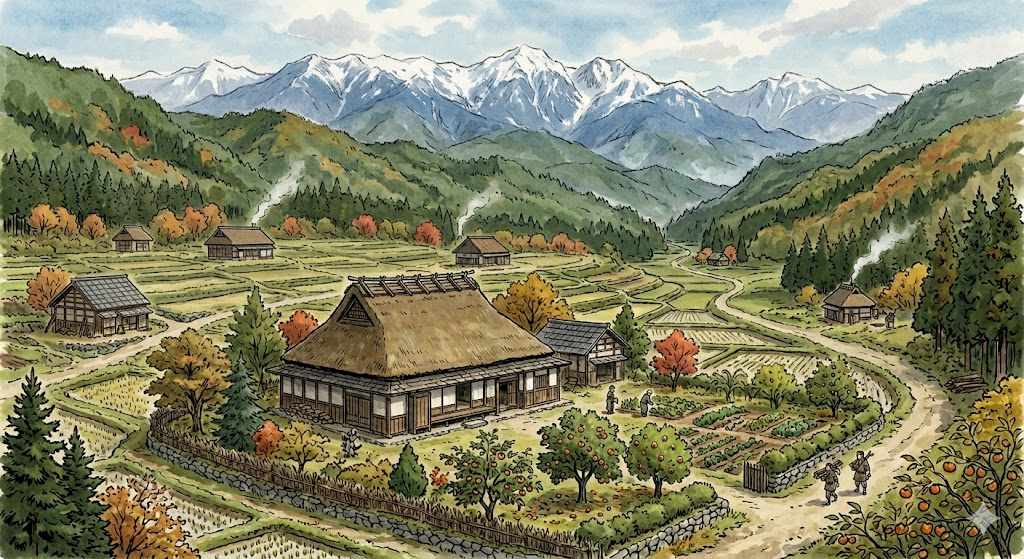
この物語は、山奥で暮らし、自然と真正面から向き合う夫婦の記録です。
クマを追い、鹿を解体し、谷水を飲み、薪を割る。
命をいただきながら、生きる意味を問い続ける日々。
彼らの暮らしは決して楽ではありません。
けれど、その眼差しには現代人が忘れてしまった強さと静かな幸福があります。
本記事は、日英対訳で英語学習にも役立つ「ドキュメンタリー風ブログ」として構成しました。
英語を学びながら、「本当に豊かな人生とは何か」を感じ取っていただければ幸いです。
English
We live in an age of convenience.
Food arrives with the push of a button, and heaters warm our rooms instantly.
Yet many people feel disconnected from the true meaning of life.
This story follows a couple living deep in the mountains, facing nature head-on.
They hunt bears, process deer, drink spring water, and split firewood every day.
Through their harsh yet meaningful lifestyle, they continue asking one question: what does it truly mean to live?
Their life is far from easy.
But in their eyes shines a quiet happiness and strength modern society has almost forgotten.
This bilingual documentary-style blog was created not only to tell their story, but also to help readers learn English naturally through real human experiences.
第1章
クマと共に生きる山暮らし・Living Among Bears
「山には本物の命がある」・“Life Feels Real in the Mountains”
サバイバルに最適万能ナイフ護身用
 | サバイバルナイフ 手鉈 VG-10鋼 薪割り 狩猟 革鞘付 和式 ナタ 護身用 ナイフ キャンプ 鍔付き 魚をさばく 熊対策 熊退治 熊撃退 調理 バトニング 新品価格 |

日本語
朝5時。
霧が山を覆い、遠くで猟犬の鳴き声が響く。
夫は静かに言った。
「今日はクマが近い。」
山では、クマは特別な存在ではない。
隣人のように、常に気配を感じる存在だ。
彼らは恐怖だけで山に生きているのではない。
自然への敬意を持ちながら、共存している。
「人間だけが偉いわけじゃない。」
それが彼らの口癖だった。
English
At five in the morning,
mist covered the mountains while hunting dogs barked in the distance.
The husband spoke quietly.
“The bears are close today.”
In the mountains, bears are not unusual creatures.
They are like neighbors whose presence is always felt.
The couple does not live in fear alone.
They survive by respecting nature.
“Humans are not superior to everything else,”
the husband often says.
対話文
Japanese & English
夫:今日は足跡が新しい。
Husband: The footprints are fresh today.
妻:昨日の夜に来たのかもしれないね。
Wife: Maybe it came during the night.
夫:犬たちが落ち着かない。
Husband: The dogs seem restless.
妻:山が何かを知らせてる。
Wife: The mountain is telling us something.
夫:油断は禁物だ。
Husband: We must never let our guard down.
妻:でも恐れてばかりもいられない。
Wife: But we cannot live in constant fear either.
語句メモ7
- mist = 霧
- footprint = 足跡
- restless = 落ち着かない
- survive = 生き延びる
- respect nature = 自然を敬う
- let one’s guard down = 油断する
- presence = 気配・存在感
第2章
命をいただく食卓・The Table Built on Life
日本語
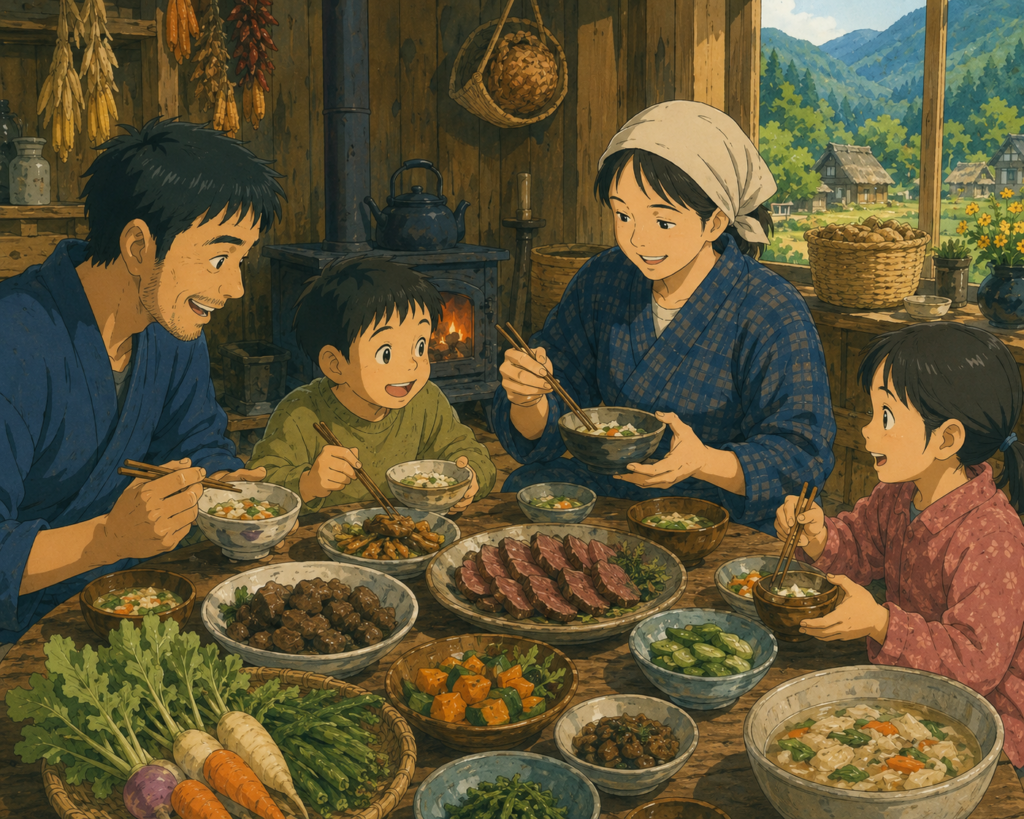
山で生きるということは、命をいただくことだ。
夫婦は罠で鹿を捕らえる。
そして感謝を込めて解体する。
「スーパーの肉も同じ命なんだ。」
夫はそう言った。
便利な社会では、命の重みが見えにくい。
だが山では、毎日の食事が生と死に直結している。
English
Living in the mountains means taking life in order to survive.
The couple traps deer and carefully processes the meat with gratitude.
“Meat from the supermarket is also a life,”
the husband explained.
Modern society hides the weight of life and death.
But in the mountains, every meal reminds them of reality.
対話文
妻:今日は鹿肉を干そう。
Wife: Let’s dry the venison today.
夫:冬の保存食になる。
Husband: It will become food for winter.
妻:無駄にはできないね。
Wife: We cannot waste any part of it.
夫:命をいただいてるからな。
Husband: Because we are receiving a life.
妻:感謝して食べよう。
Wife: Let’s eat with gratitude.
夫:それが山の礼儀だ。
Husband: That is the mountain’s way.
語句メモ7
- venison = 鹿肉
- trap = 罠で捕らえる
- gratitude = 感謝
- process meat = 解体する
- survive = 生き延びる
- waste = 無駄にする
- reality = 現実
第3章
足るを知る暮らし・Knowing What Is Enough
日本語
夫婦は米を作り、味噌を仕込み、谷水を使って暮らしている。
都会では「もっと」が求められる。
しかし山では「これで十分」が幸福になる。
古い薪ストーブの前で、夫は笑った。
「金がなくても、腹は満たせる。」
English
The couple grows rice, makes miso, and lives using mountain spring water.
In the city, people always want more.
But in the mountains, “this is enough” becomes happiness.
Sitting beside an old wood stove, the husband smiled.
“Even without much money, we can still eat well.”
対話文
妻:今年の米は出来がいいね。
Wife: The rice harvest looks good this year.
夫:山の水のおかげだ。
Husband: Thanks to the mountain water.
妻:昔の人は強かったね。
Wife: People in the old days were strong.
夫:不便でも工夫してた。
Husband: They survived through ingenuity.
妻:今は物が多すぎる。
Wife: Nowadays we have too many things.
夫:本当に必要な物は少ない。
Husband: We actually need very little.
語句メモ7
- harvest = 収穫
- ingenuity = 工夫
- spring water = 湧き水
- wood stove = 薪ストーブ
- enough = 十分な
- happiness = 幸福
- necessary = 必要な
第4章
山が育てた子供たち・Children Raised by the Mountains
日本語
父親は子供たちに勉強だけではなく、生きる力を教えたかった。
火の起こし方。
山道の歩き方。
動物への敬意。
自然は時に厳しい。
だが、その厳しさが人を強くする。
English
The father wanted to teach his children more than school knowledge.
He taught them how to start a fire,
walk mountain paths,
and respect animals.
Nature can be harsh.
But hardship also builds strong character.
対話文
父:火は一人で起こせるか?
Father: Can you start the fire alone?
息子:やってみるよ。
Son: I’ll try.
父:失敗して覚えるんだ。
Father: You learn through failure.
娘:山は怖い時もある。
Daughter: The mountains can be scary sometimes.
父:だから慎重になるんだ。
Father: That’s why we learn caution.
娘:でも山は綺麗。
Daughter: But the mountains are beautiful.
語句メモ7
- hardship = 苦難
- caution = 注意深さ
- character = 人格
- respect = 敬意
- failure = 失敗
- path = 小道
- survive = 生き抜く
第5章
猟犬との絆・Partners in the Hunt
「犬なしでは山に入れない」・“No Hunter Survives Alone”
日本語
山に入る前、夫は必ず猟犬たちの目を見る。
犬たちはただのペットではない。
危険を知らせ、獣を追い、人間を守る仲間だ。
雪の残る尾根道。
犬たちは鼻を地面につけながら静かに進む。
突然、一匹が低く唸った。
夫は足を止める。
「近いな……。」
クマの気配だった。
犬は人間より先に山の異変を察知する。
風の匂い。
折れた枝。
微かな土の乱れ。
山では、犬の命もまた危険にさらされる。
大きなクマとの戦いで命を落とした犬もいた。
それでも猟犬たちは再び山へ向かう。
「犬は恐怖より使命を選ぶ。」
夫は静かにそう語った。
English
Before entering the mountains, the husband always looks into the eyes of his hunting dogs.
They are not merely pets.
They warn of danger, track animals, and protect human lives.
Along a snowy mountain ridge,
the dogs moved quietly with their noses close to the ground.
Suddenly, one dog growled softly.
The husband stopped walking.
“It’s close…”
A bear was nearby.
Dogs sense changes in the mountains before humans do.
The smell of the wind.
Broken branches.
Disturbed soil.
In the mountains, hunting dogs also risk their lives.
Some had died fighting massive bears.
Yet the dogs always returned to the hunt.
“Dogs choose duty over fear,”
the husband said quietly.
大容量登山狩りサバイバルに最適
 | 新品価格 |

対話文
Japanese & English
夫:今日は風向きが悪い。
Husband: The wind direction is bad today.
妻:犬たちが落ち着いてないね。
Wife: The dogs don’t seem calm.
夫:クマが近いかもしれん。
Husband: A bear may be nearby.
妻:無理はしないで。
Wife: Don’t push yourself too hard.
夫:犬が先に知らせてくれる。
Husband: The dogs will warn us first.
妻:本当に頼れる相棒だね。
Wife: They truly are reliable partners.
語句メモ7
- hunting dog = 猟犬
- ridge = 尾根
- growl = 唸る
- nearby = 近くに
- disturbed soil = 乱れた土
- duty = 任務・使命
- reliable partner = 信頼できる相棒
第6章
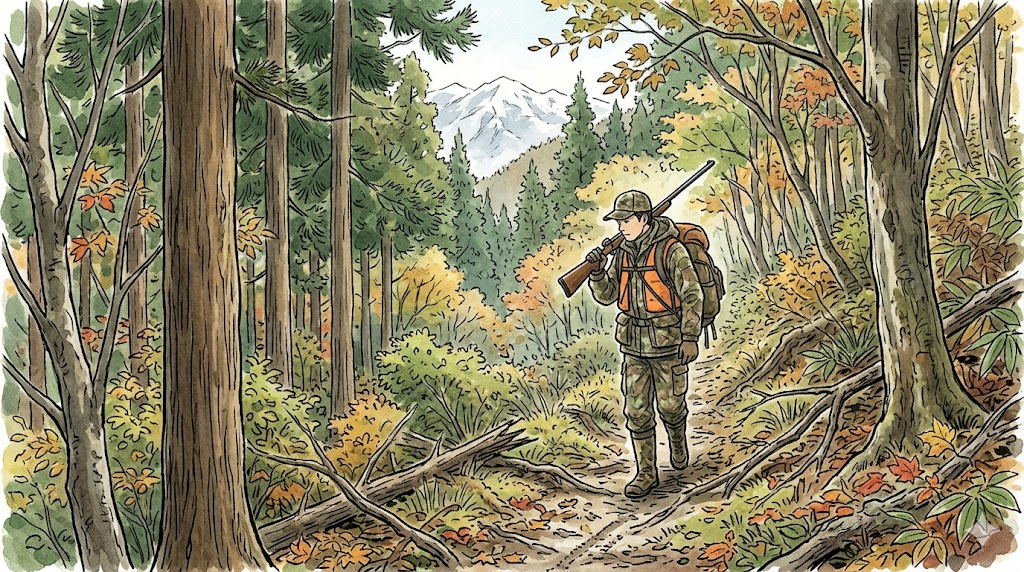
獣道を読む男・Reading the Trails of the Wild
「山は痕跡で語る」・“The Mountain Speaks Through Tracks”
日本語
夫は地面を見るだけで動物の動きを読み取る。
湿った土についた足跡。
木の皮についた爪痕。
倒れた草。
普通の人なら見逃してしまう小さな変化だった。
「山には全部サインがある。」
夫はそう言った。
特に恐れられているのが「熊剥ぎ」だった。
クマが木の皮を剥ぎ、縄張りを示す痕跡。
高い位置に残された爪痕を見ると、その巨大さが分かる。
自然の中では、人間は決して支配者ではない。
山に入る時、彼はいつも慎重だった。
「自然を甘く見た人間から死ぬ。」
その言葉には重みがあった。
English
The husband could read animal movements simply by looking at the ground.
Footprints in wet soil.
Claw marks on tree bark.
Flattened grass.
Most people would overlook such tiny details.
“The mountains leave signs everywhere,”
he explained.
One especially feared sign was called “bear stripping.”
Bears peel bark from trees to mark their territory.
The high claw marks reveal the animal’s massive size.
In nature, humans are never true rulers.
Whenever he entered the mountains, he remained cautious.
“Those who underestimate nature are the first to die.”
His words carried real weight.
対話文
息子:どうしてクマがいるって分かるの?
Son: How can you tell a bear is here?
父:この爪痕を見ろ。
Father: Look at these claw marks.
息子:すごく高い…。
Son: They’re so high…
父:大きな雄グマだ。
Father: It’s a large male bear.
息子:山って本当に怖いね。
Son: The mountains are truly frightening.
父:怖さを知ることが大事なんだ。
Father: Understanding fear is important.
語句メモ7
- footprint = 足跡
- claw mark = 爪痕
- territory = 縄張り
- overlook = 見逃す
- cautious = 慎重な
- underestimate = 甘く見る
- weight = 重み
第7章
マイナス15度の冬・Winter at -15°C
「凍る山で生きる」・“Living Through the Frozen Winter”
日本語
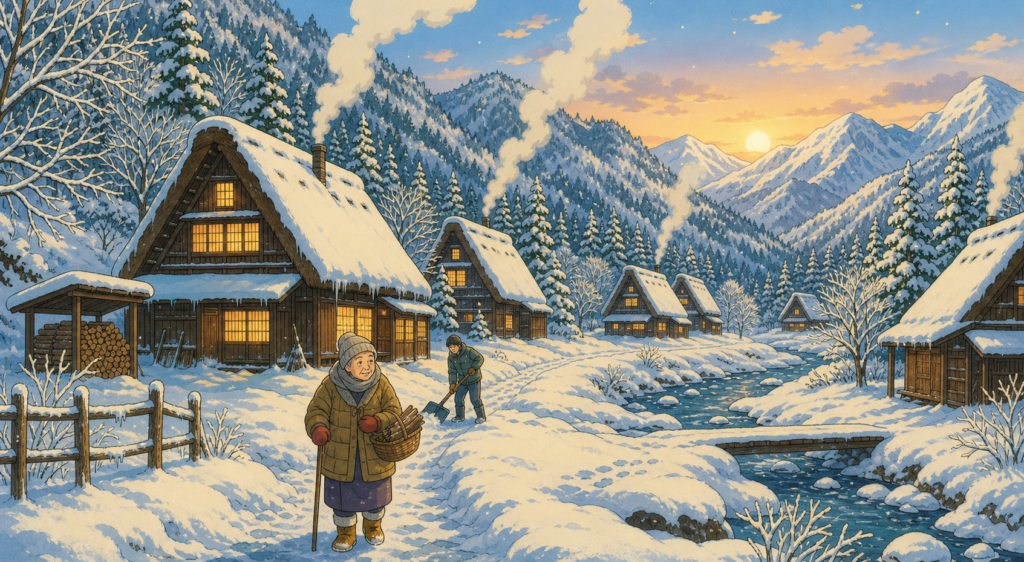
冬の山は容赦がない。
気温は氷点下15度。
朝になると、水道管まで凍る。
夫婦は夜明け前に起き、薪ストーブに火を入れる。
薪の確保は命そのものだった。
雪の日でも山へ入り、木を切り出す。
「寒さは人間を試す。」
夫は笑いながら言った。
しかし、その表情に弱さはない。
不便な生活の中で、人は工夫を覚える。
濡れた手袋を乾かす場所。
熱を逃がさない窓の工夫。
現代の便利さに頼らず、生き抜く知恵がそこにはあった。
English
Mountain winters show no mercy.
Temperatures fall to -15°C.
Even water pipes freeze in the morning.
Before sunrise, the couple wakes up to light the wood stove.
Firewood means survival.
Even during snowstorms, they enter the forest to gather wood.
“Cold weather tests human beings,”
the husband said with a smile.
Yet there was no weakness in his face.
Hardship teaches ingenuity.
Where to dry wet gloves.
How to keep heat from escaping windows.
Their lives were filled with practical wisdom beyond modern convenience.
対話文
妻:今朝は特に寒いね。
Wife: It’s especially cold this morning.
夫:水も凍っとる。
Husband: Even the water is frozen.
妻:薪は足りそう?
Wife: Do we have enough firewood?
夫:明日また山へ行く。
Husband: I’ll go to the mountains again tomorrow.
妻:本当に大変な冬だね。
Wife: This winter is really harsh.
夫:でも春は必ず来る。
Husband: But spring always comes.
語句メモ7
- temperature = 気温
- freeze = 凍る
- firewood = 薪
- hardship = 苦難
- ingenuity = 工夫
- harsh = 厳しい
- sunrise = 日の出
 | 新品価格 |

第8章
泥棒を捕まえた夜・The Night They Caught a Thief
「静かな村の闇」・“The Hidden Darkness of Rural Life”
日本語
田舎は安全だと思う人が多い。
しかし山奥でも事件は起きる。
ある冬の夜。
犬たちが突然激しく吠え始めた。
夫が外へ出ると、納屋の近くに人影が見えた。
食料や道具を盗もうとしていた男だった。
夫は静かに近づいた。
逃げようとした男を取り押さえる。
「山では自分の身は自分で守る。」
警察が来るまでの間、夫婦は冷静だった。
自然だけでなく、人間もまた脅威になる。
それが山暮らしの現実だった。
English
Many people believe rural areas are always peaceful.
But even deep in the mountains, trouble happens.
One winter night,
the dogs suddenly began barking furiously.
When the husband stepped outside,
he saw a shadow near the storage shed.
A man was trying to steal food and tools.
The husband approached quietly
and restrained the thief as he tried to flee.
“In the mountains, you protect yourself.”
The couple remained calm until the police arrived.
Nature is not the only danger.
Sometimes humans are threats as well.
対話文
妻:犬たちの様子がおかしい!
Wife: The dogs are acting strange!
夫:外に誰かいる。
Husband: Someone is outside.
妻:気をつけて!
Wife: Be careful!
夫:納屋の近くだ。
Husband: He’s near the shed.
泥棒:逃がしてくれ!
Thief: Let me go!
夫:警察が来るまで待て。
Husband: Wait until the police arrive.
語句メモ7
- thief = 泥棒
- bark furiously = 激しく吠える
- shadow = 人影
- storage shed = 納屋
- restrain = 取り押さえる
- flee = 逃げる
- threat = 脅威
第9章
ロンドンから山奥へ・From London to the Deep Mountains
「都会を捨てた理由」・“Why We Left the City Behind”
日本語
夫婦は、かつてロンドンで暮らしていた。
人で溢れる街。
ネオン。
騒音。
終わりのない仕事。
生活は便利だった。
だが、心は少しずつ疲れていった。
「毎日忙しいのに、何のために生きてるのか分からなかった。」
夫は静かに語った。
ある日、二人は山を訪れた。
冷たい空気。
静かな森。
澄み切った谷水。
その瞬間、忘れていた感覚が蘇った。
「ここなら本当に生きられる。」
彼らは都会を離れ、山へ移住した。
不便さは増えた。
しかし自由も増えた。
時間に追われる生活ではなく、
太陽と季節に従う暮らし。
それが彼らの選んだ人生だった。
English
The couple once lived in London.
Crowded streets.
Neon lights.
Noise.
Endless work.
Life was convenient,
but their spirits slowly grew tired.
“We were busy every day, yet we no longer knew why we were living,”
the husband said quietly.
One day, they visited the mountains.
Cold air.
Silent forests.
Crystal-clear spring water.
At that moment, something inside them awakened again.
“We realized we could truly live here.”
They left the city behind and moved into the mountains.
Life became less convenient,
but far more free.
Instead of living by schedules and clocks,
they began living by the sun and the seasons.
That became the life they chose.
対話文
Japanese & English
妻:ロンドンの生活を後悔してる?
Wife: Do you regret your life in London?
夫:いや、必要な経験だった。
Husband: No, it was a necessary experience.
妻:でも今の方が幸せ?
Wife: But are you happier now?
夫:比べものにならない。
Husband: There’s no comparison.
妻:山は不便だけど自由ね。
Wife: The mountains are inconvenient, but free.
夫:本当に大事な物が見える。
Husband: You can see what truly matters here.
語句メモ7
- crowded = 混雑した
- endless = 終わりのない
- spirit = 心・精神
- awaken = 呼び覚ます
- convenient = 便利な
- freedom = 自由
- truly matter = 本当に重要である
第10章
命を預かる責任・The Responsibility of Taking Life
「猟師は悪者なのか」・“Are Hunters Villains?”
日本語
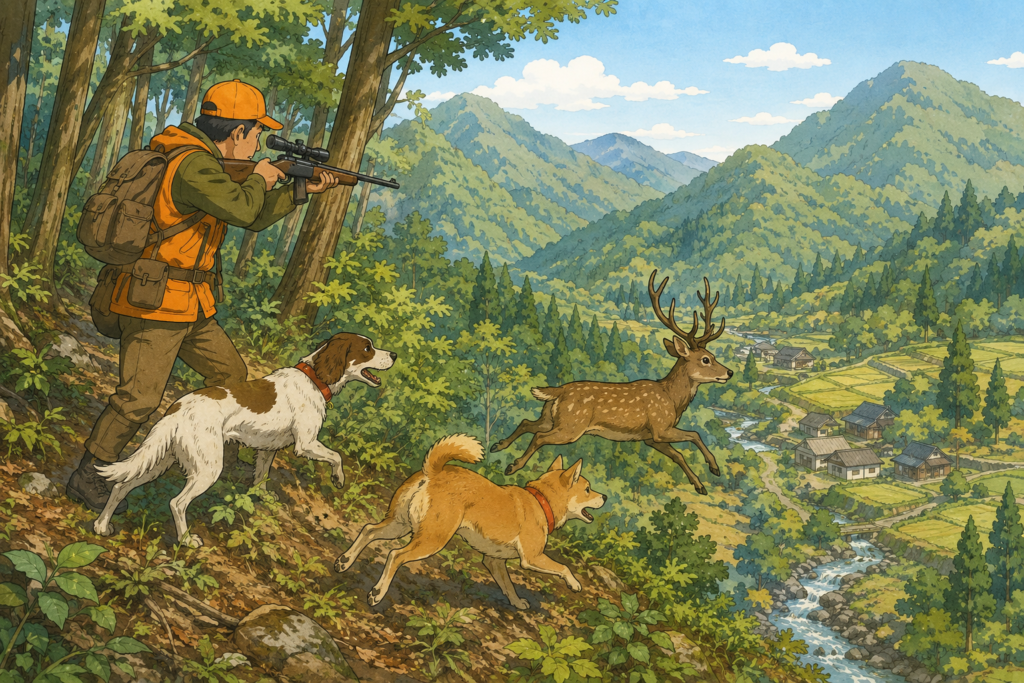
山では時に、有害駆除が必要になる。
畑を荒らすシカ。
人里へ下りるクマ。
放置すれば、人間にも動物にも被害が広がる。
夫は行政から依頼を受け、駆除活動を行っていた。
「撃ちたくて撃ってるわけじゃない。」
彼の表情は重かった。
狩猟には免許が必要だ。
知識も技術も責任も求められる。
命を奪うという行為には、必ず覚悟が伴う。
夫は撃った後、必ず動物へ手を合わせる。
「人間も自然の一部なんだ。」
その言葉には、山で生きてきた人間の重みがあった。
English
In the mountains, nuisance wildlife control is sometimes necessary.
Deer destroy crops.
Bears enter human settlements.
If left unchecked, both humans and animals suffer.
The husband worked with local authorities to control dangerous wildlife populations.
“I don’t shoot because I enjoy it,”
he said heavily.
Hunting requires licenses, knowledge, skill, and responsibility.
Taking life always demands mental preparedness.
After every hunt,
the husband quietly bows his head toward the animal.
“Humans are also part of nature.”
His words carried the weight of a lifetime in the mountains.
対話文
息子:撃つのは辛くないの?
Son: Isn’t it painful to shoot animals?
父:辛いよ。
Father: Of course it is.
息子:それでもやるの?
Son: Yet you still do it?
父:誰かが責任を負わなきゃならない。
Father: Someone must take responsibility.
息子:簡単な仕事じゃないね。
Son: It’s not an easy job.
父:命を扱う仕事だからな。
Father: Because it involves life itself.
語句メモ7
- nuisance wildlife = 有害鳥獣
- crop = 農作物
- settlement = 集落
- license = 免許
- responsibility = 責任
- preparedness = 覚悟・準備
- involve life = 命に関わる
第11章
孫へ残したいもの・What We Wish to Leave Behind
「次の世代へ」・“For the Next Generation”
日本語
夫婦には孫がいる。
小さな手で薪を運び、
山菜を摘み、
川魚を焼く。
夫は孫たちへ特別な教育をしているわけではない。
ただ一緒に自然の中で過ごしている。
「便利な物は後から覚えられる。」
彼はそう言った。
「でも自然を感じる力は、小さい頃にしか育たない。」
孫たちは山で遊びながら、多くを学んでいた。
風の音。
鳥の声。
空の色。
自然を知る子供は、命を粗末にしない。
それが祖父として伝えたい一番大切なことだった。
English
The couple has grandchildren.
Tiny hands carry firewood,
pick wild plants,
and grill river fish.
The grandfather does not force special lessons upon them.
He simply spends time with them in nature.
“Technology can be learned later,”
he explained.
“But the ability to feel nature grows only during childhood.”
While playing in the mountains,
the children were learning countless things.
The sound of wind.
The songs of birds.
The changing color of the sky.
Children who understand nature learn to respect life itself.
That was the most important lesson he wished to pass on.
対話文
孫:おじいちゃん、これは何の草?
Grandchild: Grandpa, what kind of plant is this?
祖父:それは食べられる山菜だ。
Grandfather: That’s an edible mountain plant.
孫:山って面白いね!
Grandchild: The mountains are interesting!
祖父:自然は先生だからな。
Grandfather: Nature is the best teacher.
孫:また一緒に来たい!
Grandchild: I want to come again!
祖父:いつでも連れてきてやる。
Grandfather: I’ll bring you anytime.
語句メモ7
- firewood = 薪
- wild plant = 山菜
- edible = 食べられる
- childhood = 子供時代
- respect life = 命を尊重する
- countless = 数え切れない
- nature = 自然
第12章
自分に正直に生きる・Living True to Yourself
「後悔しない人生」・“A Life Without Regret”
日本語
夕暮れの山。
薪ストーブの火が静かに揺れている。
夫は窓の外を見ながら言った。
「人生は短い。」
若い頃、人の評価ばかり気にしていた。
成功。
お金。
肩書き。
だが山で暮らすうちに考えが変わった。
本当に必要なのは、
心から納得できる生き方だった。
自然は嘘をつかない。
寒ければ寒い。
危険なら危険だ。
だからこそ、人間も正直になれる。
「死ぬ時に後悔したくない。」
その言葉には、長い人生を生き抜いた人間だけが持つ説得力があった。
夜空には無数の星が広がっていた。
English
Evening settled over the mountains.
The fire inside the wood stove flickered quietly.
Looking out the window, the husband spoke softly.
“Life is short.”
When he was younger,
he cared too much about the opinions of others.
Success.
Money.
Social status.
But mountain life changed the way he thought.
What truly mattered was living in a way he could honestly accept.
Nature never lies.
Cold is cold.
Danger is danger.
That honesty teaches people to become honest with themselves as well.
“I don’t want regrets when I die.”
His words carried the quiet strength of a man who had truly lived.
Above the mountains, countless stars filled the night sky.
対話文
妻:山に来て後悔してる?
Wife: Do you regret moving to the mountains?
夫:一度もない。
Husband: Not even once.
妻:大変な事も多かったのに。
Wife: Even though life was difficult here.
夫:それでも本物の人生だった。
Husband: Even so, it was a real life.
妻:あなたらしい答えね。
Wife: That sounds exactly like you.
夫:自分に嘘はつきたくないからな。
Husband: Because I never want to lie to myself.
語句メモ7
night sky = 夜空
flicker = 揺らめく
opinion = 評価・意見
social status = 社会的地位
honestly = 正直に
regret = 後悔
countless = 無数の
後書き・Afterword
日本語
この夫婦の暮らしは、多くの人にとって「過酷」に映るかもしれません。
しかし彼らは、自然の中で命と向き合いながら、静かな誇りを持って生きていました。
便利さだけでは、人は満たされません。
時には不便さの中にこそ、本当の豊かさがあります。
英語学習も同じです。
近道ばかり探すのではなく、毎日少しずつ積み重ねることが、本物の力になります。
この物語が、あなたの人生と学びに小さな火を灯せたなら幸いです。
英語
To many people, the couple’s life may appear harsh and difficult.
Yet they lived with quiet pride while facing life and death in nature every day.
Convenience alone cannot satisfy the human spirit.
Sometimes true richness exists within hardship and simplicity.
Language learning is the same.
Real skill grows through steady effort, not shortcuts.
If this story has lit even a small fire in your heart, then it has achieved its purpose.
総括後書き/Final Epilogue
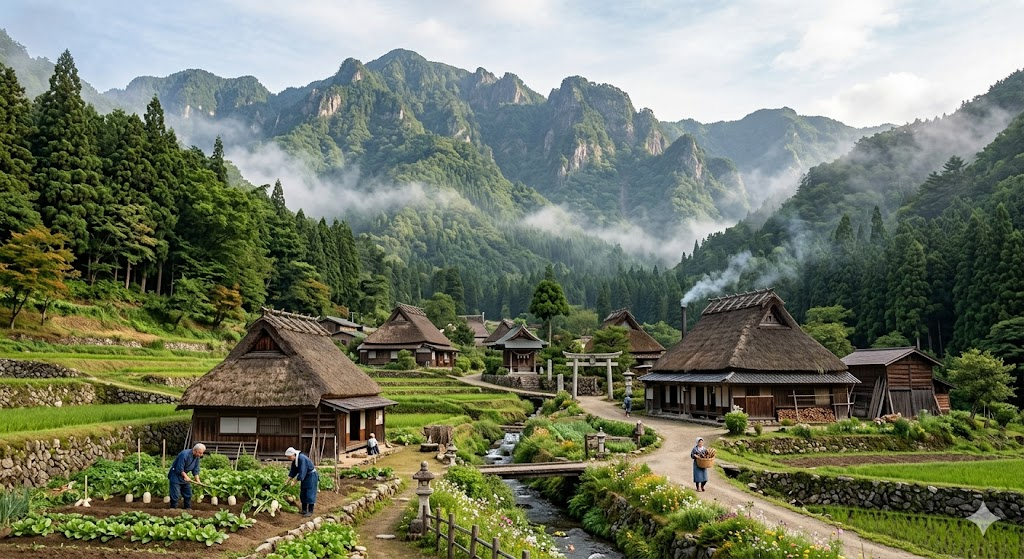
― 山が教えてくれた、本当に大切なこと — What the Mountains Taught Us About Life —
日本語
この物語を書き終えた今、改めて感じることがあります。
それは、人間は自然から離れすぎると、自分自身を見失ってしまうということです。
便利さ。
スピード。
効率。
現代社会は私たちに多くの恩恵を与えてくれました。
しかし同時に、「生きる実感」を少しずつ奪っているのかもしれません。
山で暮らす夫婦は、決して特別な英雄ではありません。
彼らはただ、自分に正直に生きようとしているだけでした。
寒さに耐え、
薪を割り、
動物の命をいただき、
自然へ感謝する。
その一つ一つが、人間本来の姿だったのです。
クマを追う山道。
静かな雪景色。
猟犬の鳴き声。
薪ストーブの炎。
そこには、都会では忘れられてしまった「命の重み」がありました。
本当の豊かさとは何でしょうか。
たくさんのお金でしょうか。
有名になることでしょうか。
便利な暮らしでしょうか。
この夫婦は、別の答えを私たちに見せてくれました。
「今日をちゃんと生きること。」
それだけで、人は十分に幸福になれる。
この物語は、単なるサバイバル生活の記録ではありません。
自然と共に生きる人々の哲学であり、
現代人が失いかけた感覚を取り戻す旅でもあります。
そして英語学習もまた、同じなのかもしれません。
近道だけを探さず、
毎日少しずつ積み重ねる。
音読し、
声に出し、
失敗しながら前へ進む。
その積み重ねが、やがて人生を変える力になります。
どうかこの物語が、
あなたの人生にも小さな火を灯してくれることを願っています。
山の夜空に輝く星のように、
静かでも確かな光として。
English
Now that this story has come to an end,
one truth becomes clearer than ever.
When human beings grow too far away from nature,
they slowly lose sight of themselves.
Convenience.
Speed.
Efficiency.
Modern society has given us many blessings.
But perhaps it has also taken away our sense of truly being alive.
The couple in these mountains were not extraordinary heroes.
They simply tried to live honestly and faithfully to themselves.
Enduring the cold,
splitting firewood,
accepting the lives of animals,
and giving thanks to nature.
Each act reflected something deeply human.
The mountain trails where bears roam,
the silent snowy landscapes,
the barking hunting dogs,
and the warm glow of the wood stove—
all of these carried a forgotten sense of life’s true weight.
What does real wealth mean?
Is it money?
Fame?
Convenience?
This couple offered a different answer.
“To truly live today.”
That alone may be enough for genuine happiness.
This story was never only about survival.
It was a philosophy of living alongside nature,
and a journey to rediscover what modern people are losing.
Perhaps language learning is similar as well.
Instead of searching only for shortcuts,
we move forward little by little every day.
Reading aloud,
speaking out,
making mistakes,
and continuing onward.
Those small daily efforts eventually gain the power to transform our lives.
I hope this story leaves a small flame within your heart.
Like the stars shining above the mountains—
quiet, yet unwavering.